Lin Stuhler’s Willard Cemetery Project

Thanks, Jon!

joncrispin's avatarJon Crispin's Notebook

Central stairway, Chapin House, Willard Asylum

There are a lot of great and interesting people working on New York State asylum issues.  I have been following Lin Stuhler’s work on the Willard cemetery for a while, but only had the chance to meet her a few months ago.  We keep in touch, and she just emailed me with a link to her recent blog post about the recent open house, and the bill she has been pushing in the state legislature to name the people buried at the graveyard.  There is also a link to a really great video that was made by her local cable company.  It is an interesting post and there is some nice video footage of some of the buildings and the cemetery.  She has a real passion for this issue and should be commended for all the hard work she has done in the name…

View original post 3 more words

UPDATE Craig Colony Cemetery

The volunteers of People Inc. and the Museum of disABILITY History will be cleaning up the Craig Colony for Epileptics Cemetery and the white marble engraved headstones this summer as part of the nationwide movement Operation Dignity to restore local institutional cemeteries. The fact that there are headstones and that they are engraved with the patients’ name is rare. The names of the 2,274 people buried in this cemetery can be found at Find A Grave. The following photographs were taken and sent to me by David Mack-Hardiman, Director of Training, People Inc. To volunteer, please contact David Mack-Hardiman at: dmack@people-inc.org.

We still need this bill to pass! Please call or write a letter to your state senator and tell them that you support this bill! S2514-2013 – NY Senate Open Legislation – Relates to patients interred at state mental health hospital cemeteries – New York State Senate.

Craig Colony 1 - 6.2013

Craig Colony 1 – 6.2013

Craig Colony 2 - 6.2013

Craig Colony 2 – 6.2013

Craig Colony 3 - 6.2013

Craig Colony 3 – 6.2013

Craig Colony 4 - 6.2013

Craig Colony 4 – 6.2013

Craig Colony 5 - 6.2013

Craig Colony 5 – 6.2013

Craig Colony 6 - 6.2013

Craig Colony 6 – 6.2013

Craig Colony 7 - 6.2013

Craig Colony 7 – 6.2013

Craig Colony 8 - 6.2013

Craig Colony 8 – 6.2013

Cemetery Restoration – People Inc. & The Museum of disABILITY History

In Remembrance by David Mack-Hardiman, Director of Training, People Inc.

More than one million Americans are buried in institutional cemeteries. Many institutions which served people who had mental illness or developmental disabilities are now closed. Upon their closure, the cemeteries have been abandoned or passed on to the current owner of the property. Because the monuments were made more cheaply than traditional gravestones, time and neglect have taken their toll. Some grave markers are broken, leaning, tipped over, sunken under the ground, or tossed off into the weeds. Many of them are just numbers with no further clue as to the identity of the person. (TO VOLUNTEER, PLEASE CONTACT DAVID MACK-HARDIMAN at dmack@people-inc.org.)

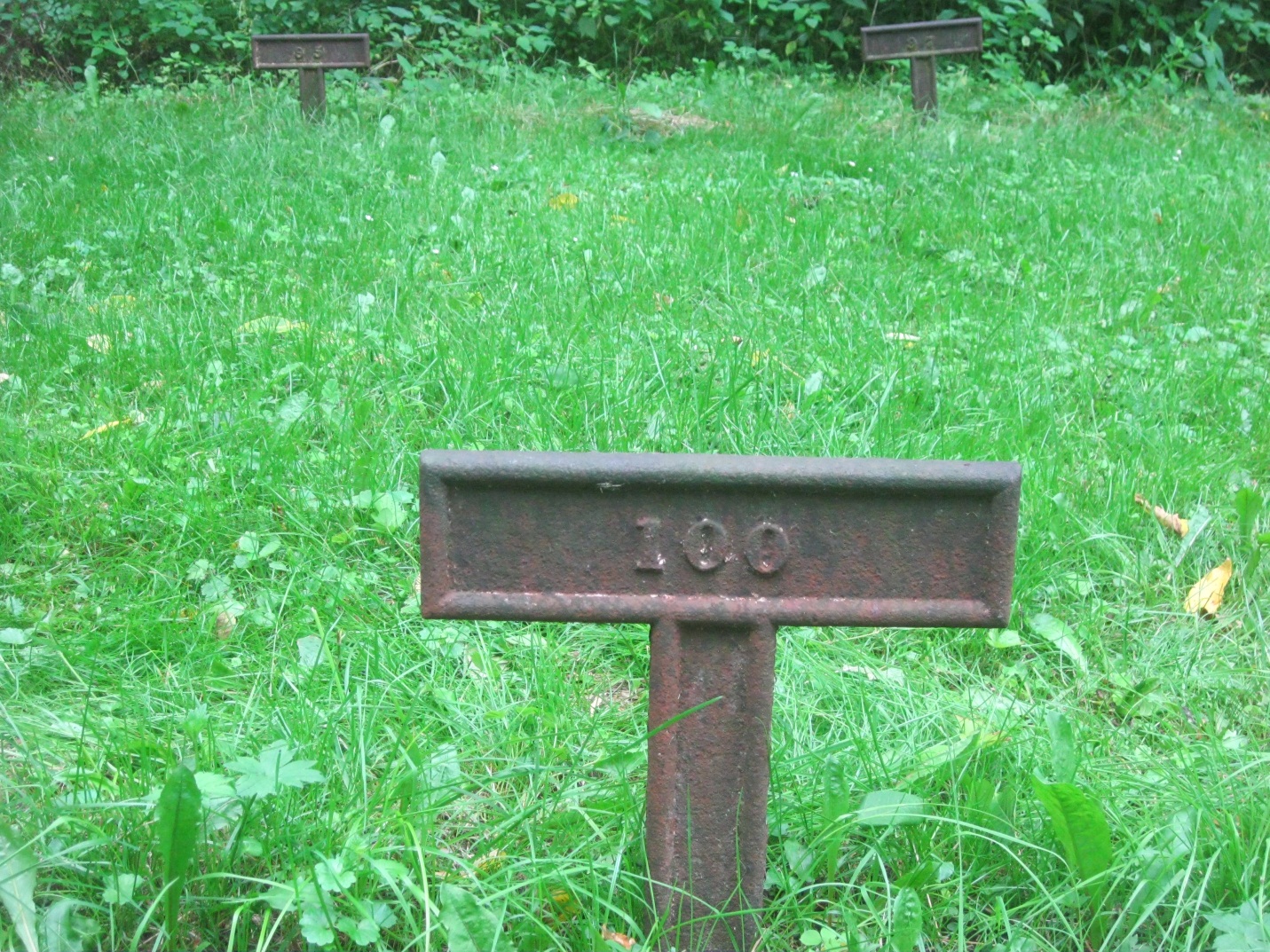
Cast Iron Monument #100 in the Wheater Road Cemetery in Gowanda

Cast Iron Monument #100 in the Wheater Road Cemetery in Gowanda

Seven years ago, People Inc. and the Museum of disABILITY History aligned with the statewide 1033 Group and the nationwide Operation Dignity movement to embark upon the restoration of some local institutional cemeteries.

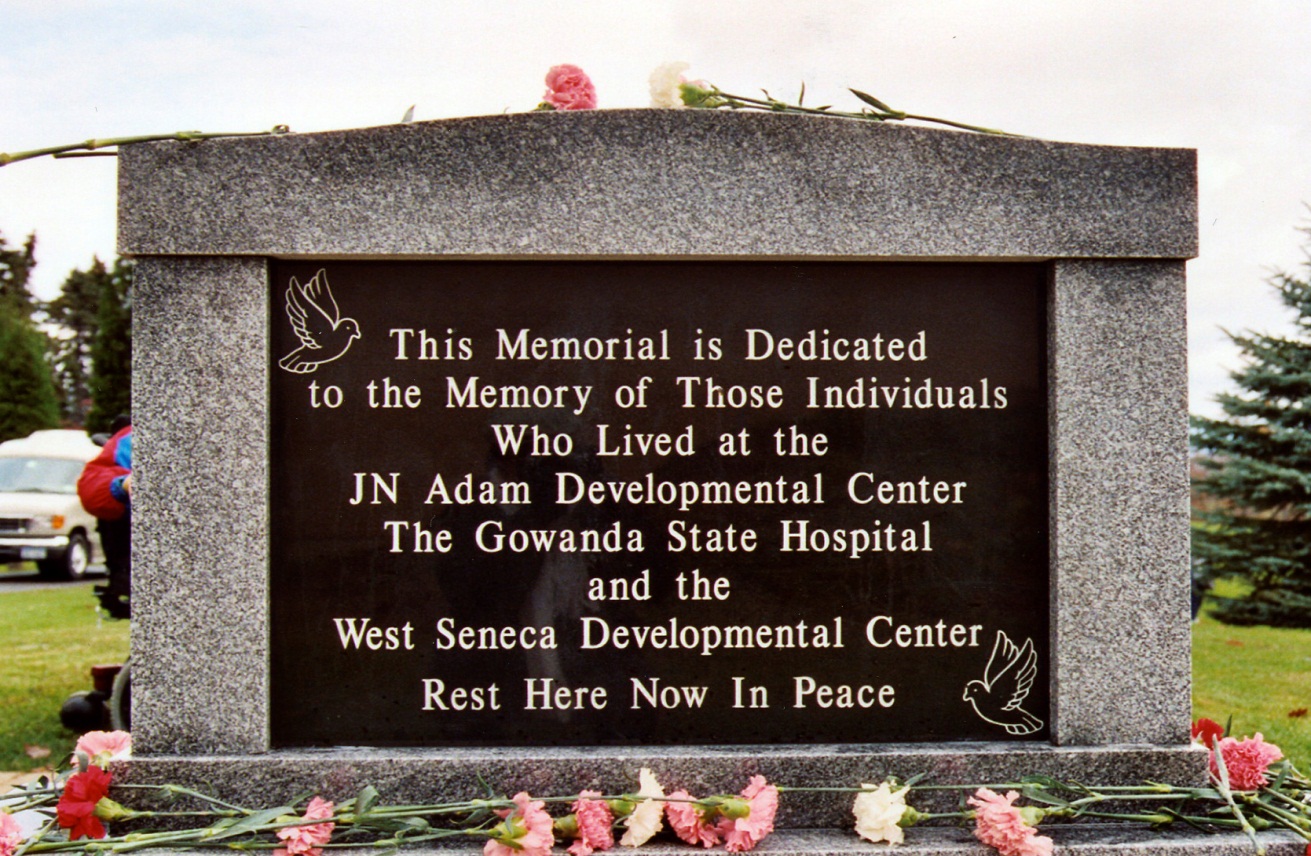
In 2006, a monument was placed in the Jolls Road Cemetery in Perrysburg. On a hillside in the cemetery, the graves of nearly four hundred residents of various state institutions were discovered. Some had small headstones but for many, there is no permanent marker. Self-Advocacy groups from Western New York planned the Ceremony of Remembrance during which the monument was unveiled.

Monument in the Jolls Road Cemetery in Perrysburg

Monument in the Jolls Road Cemetery in Perrysburg

In 2007, work began at the Gowanda Psychiatric Center Cemetery on Route 62 in Gowanda. More than five hundred grave markers were photographed and documented. They were dusted, edged, and cleaned. Community businesses provided support and officials of the Collins Correctional Facility assisted the project in numerous ways. Many markers had sunken under the ground including an entire Jewish section which contained more than thirty graves marked with the Star of David. Once all stones were accounted for and placed again on the surface, a Ceremony of Remembrance was held on a warm, breezy day. Former patients and employees of the facility joined Self-Advocacy groups, State officials, numerous People Inc. volunteers and the Superintendents of the Correctional Facility for a memorable event. The names of all those buried there were given to the Museum of disABILITY History.

Memorial Cemetery sign installed by People Inc. in 2007

Memorial Cemetery sign installed by People Inc. in 2007

In a grassy hollow along the banks of Clear Creek in Collins, volunteers spent the next three summers restoring the Wheater Road Cemetery. More than five hundred headstones were unearthed in an area which was about the size of a football field. Taking the utmost care not to damage the long buried markers, volunteers tapped the earth until they felt resistance, carefully dug around the stones and lifted them to the surface. They were washed with water and placed back on the surface. In addition, more than five hundred other grave markers were straightened and reinforced with shims or gravel. Hundreds of red tulips were planted throughout the cemetery and a heart shaped garden was constructed. A Remembrance Ceremony was held at this location as well, including a release of doves by Self-Advocates. Media attention led some families to contact the Museum of disABILITY History, which assisted them in finding the final resting places for their ancestors.

#502 in the Protestant section is unearthed in the Wheater Road Cemetery

#502 in the Protestant section is unearthed in the Wheater Road Cemetery

In 2012, the volunteers shifted focus to Niagara County and the site of the former Niagara County Almshouse. Virtually undisturbed for ninety-six years, this cemetery had just a few stones which appeared to be marking graves. Nature had literally taken over the site with thick overgrowth of grape vines, wild roses, Hawthorne trees, and poison ivy. Initially, it was very difficult to determine the boundaries of the cemetery. With community assistance and volunteer labor, the site gradually began to take shape. The volunteers cut back the vines, trimmed trees, weeded, and created a beautiful corner space in which a memorial bench was installed. In a beautiful ceremony, the names of many of those buried there were read, including the foundlings and those whose names were, “unknown.” After the ceremony, several family members inquired about their ancestors and have been provided information from the almshouse registers.

The Niagara County Almshouse Cemetery

The Niagara County Almshouse Cemetery

This summer, volunteers will assist with cleaning the marble headstones at Craig Colony Cemetery in SonyeaPeople Inc. and the Museum of disABILITY History will join with Self-Advocates from the Finger Lakes area, town historians, and, the employees of the Groveland Correctional Facility to complete yet another, fulfilling cemetery restoration.
New York State Hospitals and Custodial Institutions & Cemetery Projects.

Mental Illness & Ignorance

I am the first to admit that I didn’t have a clue about what mental illness really is, and I have never claimed to be an expert on this issue, because I am not. When I discovered that my great-grandmother was sent to Willard State Hospital at the end of her life, it made my stomach flip and I felt overwhelming sadness. I remember reading her obituary over and over again to see if I had read it correctly. I even asked myself, could there be another state hospital at Willard that wasn’t a mental institution? Did she really die there? Why was she sent there? What was her diagnoses? Before I lose your attention, let me explain who was sent to Willard so that you will no longer be uneducated, unaware, or uninformed. Anyone who was not considered “normal” was sent to Willard including the elderly with Dementia and Alzheimer’s Disease. Remember, there really were no nursing homes until the 1950s. Others were Hearing Impaired, had Developmental Disabilities, were Trauma Victims including Victims of Domestic Violence and Rape (back then they called it “Seducer’s Victim”), had PTSD (Soldier’s Heart & Shell Shock), Menopausal Women, Depression, Anxiety Disorders, Brain Injuries, Stroke Victims, Epilepsy, Neurological Disorders, Psychiatric Disorders, and some were locked up because of their sexual orientation, personal beliefs, and religious beliefs.

You have to ask yourself, why are we so ignorant on this issue? Why are we receiving the great majority of mental health information from television commercials put out by the pharmaceutical companies and Dr. Phil? God Bless Him! Why is the jail at Riker’s Island being used as the largest mental health facility in the country? This is how we used to treat the mentally ill 150 years ago. When we pay our taxes which is a huge burden on the people of New York State, we assume that the people appointed to these high paying positions are actually doing their jobs and taking care of the people they are supposed to be advocating for; those who need the most help. Obviously, this is not the case and this abuse of the public trust needs to end.

Are burial records available to the public? Yes, but you would have to sit in the town clerk’s office and pull out each record that applies to that county’s particular state hospital or custodial institution. If you post their names online, you run the risk of being charged $10,000 for each violation, or each person. It would be much easier to record this information from each institution’s burial ledgers. Is it ridiculous that the Office of Mental Health classified burial records from state facilities as medical records? Yes. Were they really protecting the identities of former patients? No. In every correspondence that I received, it was made crystal clear that this was done to protect the families because some may find it offensive. Not only has the OMH insulted families and descendants of these people who were buried in anonymous graves, they have contributed to the stigma. They need to step out of the way, focus on the living, and hand over the burial ledgers to cemetery groups and responsible volunteers who will get the job done at NO cost to the state. Our ancestors and our families have nothing to be ashamed of! That would be like being ashamed of heart disease or diabetes. Putting names on a memorial, headstone, or list, should not be offensive to anyone, unless, of course, you are ignorant.

“I Got A Name” by Jim Croce

CLICK HERE TO VIEW THE VIDEO They’re Buried Where? by Seth Voorhees

The list of these former New York State Hospitals includes but is not limited to: BinghamtonBuffaloCentral IslipDannemoraEdgewoodGowandaHudson RiverKings ParkLong IslandManhattanMatteawanMiddletownMohansicPilgrimRochesterSt. LawrenceSyracuseUtica, and Willard

The Feeble-Minded and Epileptic Custodial Institutions of New York includes but is not limited to: Craig Colony for EpilepticsLetchworth Village for Epileptics & Developmentally DisabledNewark State School for Developmentally Disabled WomenRome State School for Developmentally Disabled Adults & Children, and Syracuse State School for Developmentally Disabled Children. There may be more.

A Day at Willard Cemetery 5.18.2013

On Saturday, May 18, 2013, I visited the Willard Cemetery for a second time. This was the day of the annual Willard Tour that benefits a day care center on the old Willard property. Hundreds of people attended the tour and a good crowd gathered at the cemetery. Quite a bit has changed since my first visit on May 14, 2011, when the grass was up to my knees and no one was there but me, my husband, and two of our friends. It was a very sad place. The Willard Cemetery Memorial Project was formed by Colleen Kelly Spellecy in 2011. She has done a fabulous job organizing the group, having a sign installed at the entrance, raising awareness about the project, getting the cemetery lawn mowed, and collecting donations. I was happy to see so many concerned people at the cemetery.

Now there is hope, not only for the Willard Cemetery but for all state hospital and custodial institution cemeteries across the State of New York. A bill was introduced to the NYS Legislature in March 2012 and was re-introduced on January 18, 2013 as S2514-2013. If this bill becomes law, then the names of our forgotten ancestors will be released. They will finally be honored and remembered with dignity. This bill specifically addresses the “burial records” issue. Although HIPAA has stepped out of the way to allow individual states to release “medical records” 50 years after a patient has died, I am not sure if this issue was specifically addressed in this bill. Let’s take one step at a time and be grateful for what is in the works right now! Anyone who has ever dealt with the New York State Office of Mental Health in trying to obtain any type of information on an ancestor, whether it concerns asking where they are buried or obtaining a medical record, knows how arrogant and non-responsive they are unless you have a Ph.D. after your name. This needs to change.

Another fact that people don’t realize is that the great majority, if not all, of these historical cemeteries are “inactive” which means no one else will be buried there. I hope that ALL names are released including more recent burials. For example, when Willard closed in 1995, a gentleman was transferred to another facility. When he died in 2000, he asked to be buried in the Willard Cemetery because this was his home. Who will be here in 2050 to add this man’s name to a headstone or memorial? Who allowed these cemeteries to become forgotten?

Who was sent to Willard? Anyone who was not considered “normal” including the elderly with Dementia and Alzheimer’s Disease. Remember, there really were no nursing homes until the 1950s. Others were Hearing Impaired, had Developmental Disabilities, were Trauma Victims including Victims of Domestic Violence and Rape (back then they called it “Seducer’s Victim”), had PTSD (Soldier’s Heart & Shell Shock), Menopausal Women, Depression, Anxiety Disorders, Brain Injuries, Stroke Victims, Epilepsy, Neurological Disorders, Psychiatric Disorders, and some were locked up because of their sexual orientation, personal beliefs, and religious beliefs. These people, their families, and descendants, have nothing to be ashamed of. That would be like being ashamed of heart disease or diabetes. Putting names on a memorial, headstone, or list, should not be offensive to anyone.

Also attending the tour on this day was Seth Voorhees, Senior Reporter for the Time Warner Cable news channel YNN that serves Rochester and the Finger Lakes. Mr. Voorhees was genuinely interested in my mission to get this law passed in New York and offered me the opportunity of an interview. Although I am not a public speaker, I jumped at the chance to get the word out to a larger audience. I can’t thank him enough for all the time he spent putting this video report together. This piece aired on YNN, Saturday, May 25, 2013. I also need to thank Senator Joseph E. Robach for drafting and introducing the bill to the New York State Legislature. I hope this piece will raise awareness about the anonymous graves issue as this was never about patient confidentiality, it’s about respect.

CLICK HERE TO VIEW THE VIDEO They’re Buried Where? by Seth Voorhees.
Not Forgotten by Colleen Spellecy.

The list of these former New York State Hospitals includes but is not limited to: BinghamtonBuffaloCentral IslipDannemoraEdgewoodGowandaHudson RiverKings ParkLong IslandManhattanMatteawanMiddletownMohansicPilgrimRochesterSt. LawrenceSyracuseUtica, and Willard.

The Feeble-Minded and Epileptic Custodial Institutions of New York includes but is not limited to: Craig Colony for EpilepticsLetchworth Village for Epileptics & Developmentally DisabledNewark State School for Developmentally Disabled WomenRome State School for Developmentally Disabled Adults & Children, and Syracuse State School for Developmentally Disabled Children. There may be more.

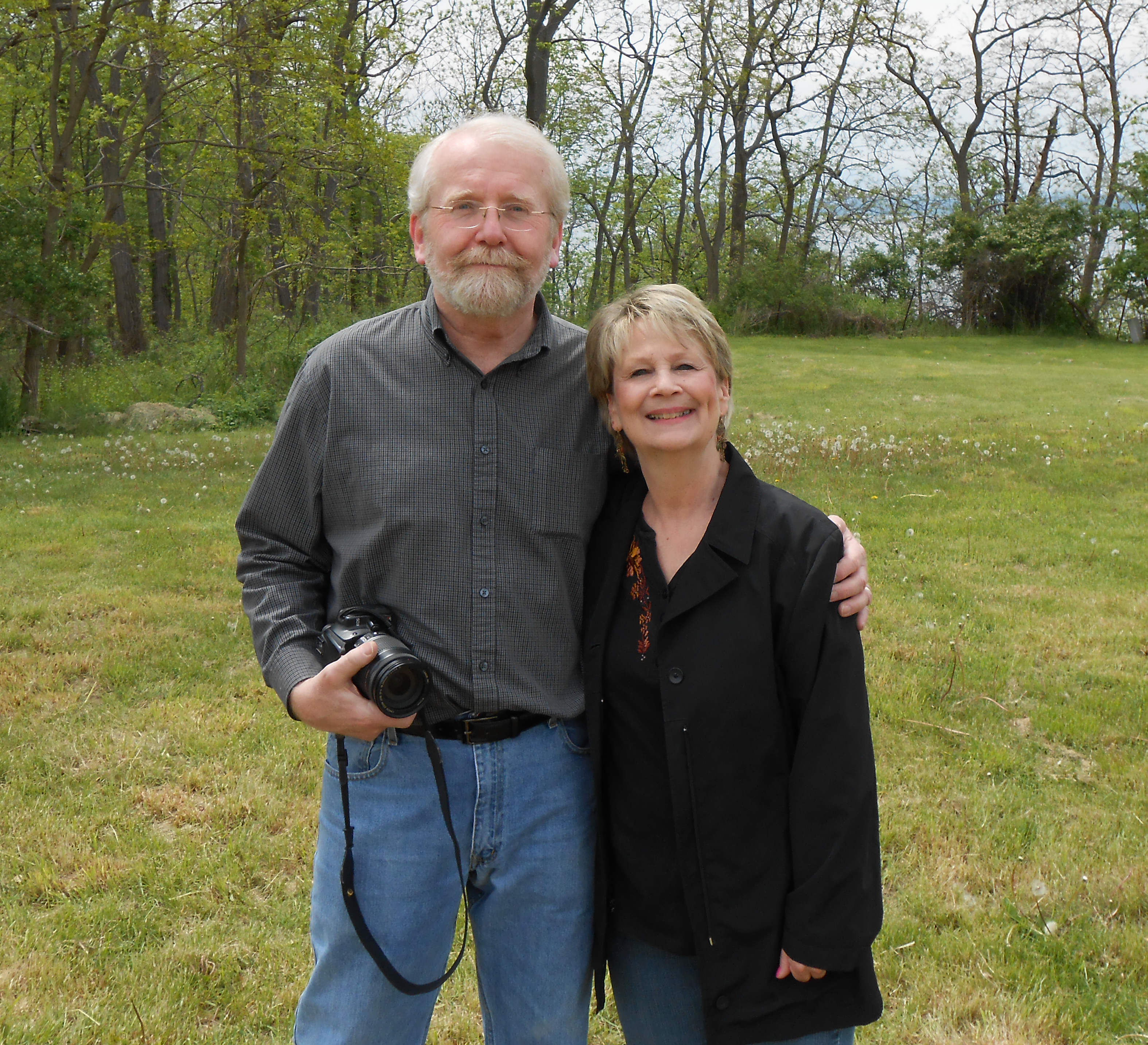
Seth Voorhees & Lin Stuhler 5.18.2013

Seth Voorhees & Lin Stuhler 5.18.2013

Roger Luther from nysAsylum.com & Lin Stuhler 5.18.2013

Roger Luther from nysAsylum.com & Lin Stuhler 5.18.2013

Colleen Spellecy, Craig Williams, Lin Stuhler 5.18.2013

Colleen Spellecy, Craig Williams, Lin Stuhler 5.18.2013

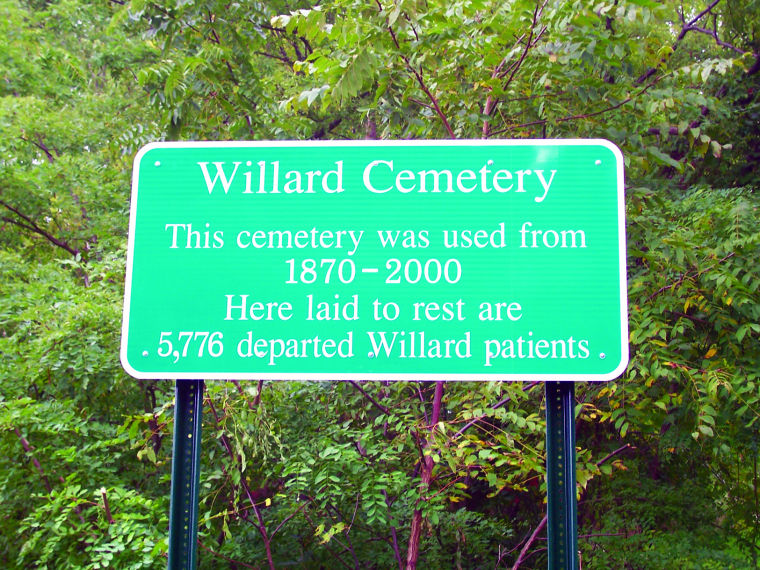
Willard Cemetery Sign 5.18.2013

Willard Cemetery Sign 5.18.2013

Willard Cemetery Memorial Project 5.18.2013

Willard Cemetery Memorial Project 5.18.2013

Willard Cemetery 5.18.2013

Willard Cemetery 5.18.2013

Old Metal Marker 5.18.2013

Old Metal Marker 5.18.2013

Willard Cemetery 5.18.2013

Willard Cemetery 5.18.2013

This photo is of the Civil War Veterans Section of the cemetery. They were provided with clearly inscribed headstones from the government. Colleen discovered that a few of them were not “inmates” of Willard but were residents of the town. I wonder how many other United States Veterans who served their country with honor but ended up at Willard are buried here among the 5,776 in anonymous graves?

Mental Illness & Prisons

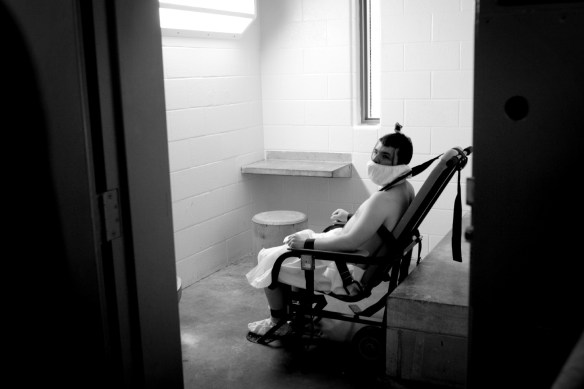
It took 150 years but it appears we have come full circle in the way we treat the mentally ill. 

Ackerman + Gruber | Minneapolis Editorial and Advertising Photographers | 612.293.7175 | mail@ackermangruber.com

After banging on his cell door for six hours straight with his fist and head, the officers restrained an inmate who was threatening to kill himself. (Ackerman + Gruber | Minneapolis Editorial and Advertising Photographers | 612.293.7175 | mail@ackermangruber.com)

TRAPPED: Mental Illness In America’s Prisons – Feature Video by Jenn Ackerman

No Peace Outside “The Box” For People With Mental Illness In New York’s Prisons by Paul Grondahl 4.25.2013

Mental Illness In California Prisons 4.10.2013

TRAPPED: The Story Of The Mentally Ill In Prison by David Rosenberg 4.1.2013

Prison Or Treatment For The Mentally Ill by Allen Frances, M.D. 3.10.2013

Patients As Prisoners, Jails New Mental Health Institutions CBS News 3.5.2013

Indiana Scrambles To Address Ruling On Mentally Ill Inmates by Tim Evans 1.2.2013

Closing New York State Psychiatric Hospitals Is Dangerous by DJ Jaffe 3.19.2012

Nation’s Jails Struggle With Mentally Ill Prisoner’s NPR 9.4.2011

Deinstitutionalization: A Psychiatric “Titanic” Frontline 1997

Lost Lesson Of Mental Health – New York Times 4.17.1990

State Psychiatric Hospitals Forced To Change Or Close by Dava Sobel 2.10.1981

Willard Tour – May 18, 2013

CLICK HERE TO VIEW THE VIDEO They’re Buried Where? by Seth Voorhees

If anyone is interested, a tour of the historic buildings at the former Willard State Hospital and the cemetery will be on Saturday, May, 18, 2013. For more information, please click on the link. Seneca Daily News

Willard Drug Treatment Campus – 7116 County Road 132 – Willard, NY 14588. The cemetery is down the road on the right heading toward Seneca Lake.

Man With Psychosis Recalls Nevada Patient Dumping – ABC News

This is very sad!

Man With Psychosis Recalls Nevada Patient Dumping – ABC News.

More cases found of Nevada busing mental patients out of state by Cynthia Hubert.

Details released about discipline at Rawson-Neal Psychiatric Hospital.

Is history repeating itself?

The Deportation of Insane Aliens 1907

“Lost Luggage, Recovered Lives” by Peter Stastny, MD, and Darby Penney, MLS

The Lives They Left Behind Suitcases From A State Hospital Attic offered a ray of hope for people like me, who had discovered that an ancestor was a former patient who died at Willard State Hospital. I read the book in a day, not being able to put it down. I wanted to know more. I wondered what kind of treatment was given to my great-grandmother, and I wonder to this day. The significance of this book is that no others before Darby Penney and Peter Stastny had ever gone through the patient medical records and personal belongings in order to tell the patient’s side of the story. To learn more, please feel free to download, read, and share “Lost Luggage, Recovered Lives” by Peter Stastny, MD, and Darby Penney, MLS.  

Darby Penney is a leader in the human rights movement for people with psychiatric disabilities. Peter Stastny is a psychiatrist and documentary filmmaker. You may contact Ms. Penney to inquire about your ancestor’s suitcase at: community@capital.net. For more information visit The Lives They Left Behind Suitcases From A State Hospital Attic Website. 

The Lives They Left Behind by Darby Penney & Peter Stastny

The Lives They Left Behind by Darby Penney & Peter Stastny

Within the pages of this book is where I first learned about the anonymous graves at Willard State Hospital Cemetery. Further research led me to the discovery that burying former patients of New York State Hospitals and Custodial Institutions, in numbered, anonymous graves, was not the exception but the rule. As I have stated before, I am a Genealogy Geek who was inspired by Ms. Penney and her book, to get a law passed that will require the NYS Office of Mental Health to release the names; dates of birth and death; and the location of these historic graves, to the public so that these people may be honored and remembered with dignity. Even with the new HIPAA ruling that allows the release of medical records after 50 years from the time of the patient’s death, it appears that the OMH will not comply with the new ruling unless forced to do so. One wonders how and where they got the authority to classify the burial ledgers (cemetery records) in the same category as medical records? Why are the deaths of thousands of people being kept a secret?

Hopefully, the NYSOMH will release historic patient burial information and when they do, it will be a wonderful opportunity to educate the public about what mental illness is; to reassure people that they should not be ashamed; that help is available; and that no one needs to struggle alone. But as of today, they are sticking with “the very fact of one’s mental illness, and receiving professional help for such illness, can, if generally revealed, cause a person to be subjected to prejudice and stigma in one’s personal and professional life.” Does this statement really encourage people to seek help?

“The only exception would be if you believe a patient was buried in one of our cemeteries. If so, then with appropriate family linkage documentation, including birth and death certificates, we could provide you with information on the individual’s burial site.”

One of the first lessons that you learn when researching your family history is that people have common names. In other words, you are not the only person in the world who has your name. Lesson two is, anyone can claim to be anyone’s descendant in order to get a historic copy of a birth, marriage, or death certificate. The state does not know your genealogy, nor do they care because they’re making money on the deal. Note that after spending the money on this documentation, writing a letter, mailing it in, and waiting months for a response from the OMH, they state we could, instead of, we will, provide you with the information.

The following “Frequently Asked Questions” page is posted at NYS Office of Mental Health Last Modified: 11/15/2012.

“Q. Can I get a copy of a birth or death certificate for a family member that was a resident of one of the Office of Mental Health’s facilities?

A. Birth records, death records, and marriage records are considered Vital Records in New York State and generally can be accessed by the public. If you are interested in exploring this option, you can obtain more information on how to obtain these records on the New York State Department of Health’s vital Records website at www.nyhealth.gov

Q. I have been doing genealogy research and have discovered that one of my relatives was a resident at one of the Office of Mental Health facilities. I would like to find out any personal or medical information about them. Can I obtain a copy of these records?

A. The Office of Mental Health is dedicated to the maintenance of privacy and confidentiality of patient information. We feel this is especially true with regard to mental health treatment records. It has long been recognized that the very fact of one’s mental illness, and receiving professional help for such illness, can, if generally revealed, cause a person to be subjected to prejudice and stigma in one’s personal and professional life. We also recognize that effective and lasting psychiatric therapy can take place only in an environment of privacy and trust in which the patient knows that his/her statements will be held in confidence.

New federal regulations that govern the privacy of individually identifying health information, have underscored this requirement. While it has always been our position that a person’s right to confidentiality of clinical information does not change upon his or her death, federal regulations have given us some additional specific guidance on access to records of deceased patients. Therefore, we have recently modified our policy and procedures and require the following before we can provide any information from a deceased patient’s clinical record:

A. Birth records, death records, and marriage records are considered Vital Records in New York State and generally can be accessed by the public. If you are interested in exploring this option, you can obtain more information on how to obtain these records on the New York State Department of Health’s vital Records website at www.nyhealth.gov

B. If you are a family member of the deceased patient and the patient allowed our facility to share information with you while he or she was living, and it is reasonable to assume that the patient did not intend to revoke his or her permission to continue to communicate with you prior to his or her death, we may provide you with basic information about the patient’s condition and circumstances of his or her death, if appropriate.

C. If you are a family member of the deceased patient and the information from the patient’s record is relevant to your own health care, we can release the information to your physician, provided the physician submits a written request to us on your behalf.

D. If you are the executor of the deceased patient’s estate, or if you otherwise have legal authority to act on behalf of the patient or his/her estate, (e.g. you have letters testamentary issued by a court), we can release information to you upon your written request which documents and attests to your legal authority to act on behalf of the deceased patient. We can also release information to you if you obtain and provide us with the written consent from the executor or legal representative of the deceased patient.

E. In all of these cases, we are required to review the record prior to its release to ensure it does not infringe upon the privacy rights of any other individual who may be named in the record.

The only exception would be if you believe a patient was buried in one of our cemeteries. If so, then with appropriate family linkage documentation, including birth and death certificates, we could provide you with information on the individual’s burial site. Requests should be sent to John Allen, Consumer Affairs, NYS Office of Mental Health, 44 Holland Avenue, Albany, NY 12229.”

“Breakthrough For Medical Genealogy” by Judy G. Russell – HIPAA 2013

Great article by Judy G. Russell, re-posted with permission. I have contacted the New York State Office of Mental Health asking their position on this new ruling. Hopefully, they will respond soon.

Breakthrough For Medical Genealogy

Posted on April 8, 2013 by Judy G. Russell One For Our Side

There’s been a major breakthrough in records access for those of us with family medical issues that we research in part through our genealogy.

Quietly, without much fanfare, the federal Department of Health and Human Services (HHS) has finally come around to understanding that closing medical records forever, even after the death of the person treated, isn’t the way to go.

It adopted a new set of rules earlier this year, effective just two weeks ago, that opens medical records 50 years after the patient’s death.

The change — first proposed nearly three years ago1 — came in an omnibus Final Rule adoption governing a vast array of issues under the federal Health Insurance Portability and Accountability Act (HIPAA) designed primarily to update personal privacy rules in light of technological changes in medical recordkeeping.2 The rule was adopted in January and became effective on March 26th.

As far back as 2003, archivists had complained to HHS about the old rule, under which personal health information was to be protected forever and only disclosed even after the patient’s death only if the legal representative of the estate authorized it.

In 2005, Stephen E. Novak of Columbia University had quoted from those earlier complaints in an HHS conference, explaining that “certain historical, biographical and genealogical works where the identity of the individual is the whole point could not be written, such as the Pulitzer Prize-winning A Midwife’s Tale, based on the late 18th and early 19th century diary of Maine midwife Martha Ballard.”3

Nancy McCall of the Johns Hopkins Medical Institutions told that same conference that “a number of state archives have acquired the records of defunct hospitals in their states and do not know whether they are covered entities. This is especially important for mental hospitals and TB hospitals that have closed.”4

All of those participating pleaded for clarity — and for access.

The new rule is, finally, the HHS response.

In its rulemaking, HHS recognized the problems inherent in “the lack of access to ancient or old records of historical value held by covered entities, even when there are likely few surviving individuals concerned with the privacy of such information. Archives and libraries may hold medical records, as well as correspondence files, physician diaries and casebooks, and photograph collections containing fragments of identifiable health information, that are centuries old. Currently, to the extent such information is maintained by a covered entity, it is subject to the Privacy Rule.”5

It noted that the “majority of public comment on this proposal was in favor of limiting the period of protection for decedent health information to 50 years past the date of death. Some of these commenters specifically cited the potential benefits to research. A few commenters stated that the 50-year period was too long and should be shortened to, for example, 25 years.”6

Based on its review and the public comments, HHS concluded:

We believe 50 years is an appropriate period of protection for decedent health information, taking into account the remaining privacy interests of living individuals after the span of approximately two generations have passed, and the difficulty of obtaining authorizations from a personal representative of a decedent as the same amount of time passes. For the same reason, we decline to shorten the period of protection as suggested by some commenters or to adopt a 100-year period of protection for decedent information.7

So, as of the 26th of March, HIPAA’s definition of “protected health information” expressly excludes information regarding “a person who has been deceased for more than 50 years,”8 and covered entities need only comply with HIPAA “with respect to the protected health information of a deceased individual for a period of 50 years following the death of the individual.”9

Now the fact that the federal government isn’t standing in the way doesn’t mean that all of us with family health issues can rush out and expect to be given immediate access to those old health records that may tell us so much about things we face today. The feds have never been the only player in the privacy game — state laws may also restrict access to health information.

But it’s a major breakthrough to have the federal government finally move out of the way of access to records of critical importance.


SOURCES

Tip of the hat to Ron Tschippert for alerting The Legal Genealogist to the rule adoption!

  1. Notice of proposed rulemaking, 75 Fed. Reg. 40868, 40874 (14 Jul 2010). 
  2. See “Modifications to the HIPAA Privacy, Security, Enforcement, and Breach Notification Rules Under the Health Information Technology for Economic and Clinical Health Act and the Genetic Information Nondiscrimination Act; Other Modifications to the HIPAA Rules,” 78 Fed. Reg. 5565 (25 Jan 2013), PDF version, U.S. Government Printing Office (http://www.gpo.gov/fdsys/ : accessed 7 Apr 2013). 
  3. Minutes, 11-12 January 2005, Subcommittee on Privacy and Confidentiality, National Committee on Vital and Health Statistics, HHS.gov (http://ncvhs.hhs.gov/ : accessed 7 Apr 2013). 
  4. Ibid. 
  5. “Modifications to the HIPAA … Rules,” 78 Fed. Reg. 5613-5614. 
  6. Ibid., 78 Fed. Reg. 5614. 
  7. Ibid. 
  8. 45 CFR §160.103. 
  9. 45 CFR §164.502(f).