1898 Drugs For Mental Illness

I know that WIKIPEDIA is not the best place to find reliable information, however, finding definitions of drugs used in the late 1800s is not an easy task. I have provided the definitions from WIKIPEDIA, and the Merriam-Webster online dictionary, to help you understand what medications were prescribed to the mentally ill population incarcerated at insane asylums across the United States and abroad during the nineteenth century. The detrimental effects that some of these drugs had on the human mind and body were not fully understood.

These are the drugs that were mentioned in the book A Compendium of Insanity by John B. Chapin, M.D., L.L.D., first Medical Superintendent of The Willard Asylum for the Insane, published on 1898.

Drug Definitions:

Bromide: 1: a binary compound of bromine with another element or a radical including some (as potassium bromide) used as sedatives. 2: a dose of bromide taken usually as a sedative (MW)

Chloral: 1: a pungent colorless oily aldehyde C2HCl3O used in making DDT and chloral hydrate (MW)

Chloral Hydrate: a bitter white crystalline drug C2H3Cl3O2 used as a hypnotic and sedative or in knockout drops (MW)

Cocaine: a bitter crystalline alkaloid C17H21NO4 obtained from coca leaves that is used medically especially in the form of its hydrochloride C17H21NO4·HCl as a topical anesthetic and illicitly for its euphoric effects and that may result in a compulsive psychological need (MW)

Digitalis: 1: a capitalized : a genus of Eurasian herbs of the snapdragon family (Scrophulariaceae) that have alternate leaves and racemes of showy bell-shaped flowers and comprise the foxgloves b : foxglove  2: the dried leaf of the common European foxglove (Digitalis purpurea) that contains physiologically active glycosides, that is a powerful cardiotonic acting to increase the force of myocardial contraction, to slow the conduction rate of nerve impulses through the atrioventricular node, and to promote diuresis, and that is used in standardized powdered form especially in the treatment of congestive heart failure and in the management of atrial fibrillation, atrial flutter, and paroxysmal tachycardia of the atria ; broadly : any of various glycosides (as digoxin or digitoxin) that are constituents of digitalis or are derived from a related foxglove (D. lanata) (MW)

Ergot: 1 a: the black or dark purple sclerotium of fungi of the genus Claviceps that occurs as a club-shaped body which replaces the seed of various grasses (as rye) b: any fungus of the genus Claviceps. 2: a disease of rye and other cereals caused by fungi of the genus Claviceps and characterized by the presence of ergots in the seed heads. 3 a: the dried sclerotial bodies of an ergot fungus grown on rye and containing several ergot alkaloids (MW)

Ferric: 1: of, relating to, or containing iron.  2: being or containing iron usually with a valence of three (MW)

Hycoscin hydrobromate & Hycoscin: Scopolamine, also known as levo-duboisine, and hyoscine, is a tropane alkaloid drug with muscarinic antagonist effects. It is obtained from plants of the family Solanaceae (nightshades), such as henbane, jimson weed and Angel’s Trumpets (Datura resp. Brugmansia spec.), and corkwood (Duboisia species). It is among the secondary metabolites of these plants. Therefore, scopolamine is one of three main active components of belladonna and stramonium tinctures and powders used medicinally along with atropine and hyoscyamine. Scopolamine was isolated from plant sources by scientists in 1881 in Germany and description of its structure and activity followed shortly thereafter. The search for synthetic analogues of and methods for total synthesis of scopolamine and/or atropine in the 1930s and 1940s resulted in the discovery of diphenhydramine, an early antihistamine and the prototype of its chemical subclass of these drugs, and pethidine, the first fully synthetic opioid analgesic, known as Dolatin and Demerol amongst many other trade names.  Scopolamine has anticholinergic properties and has legitimate medical applications in very minute doses. As an example, in the treatment of motion sickness, the dose, gradually released from a transdermal patch, is only 330 micrograms (µg) per day. In rare cases, unusual reactions to ordinary doses of scopolamine have occurred including confusion, agitation, rambling speech, hallucinations, paranoid behaviors, and delusions. (W)

Hyoscyamine: a poisonous crystalline alkaloid C17H23NO3 of which atropine is a racemic mixture; especially : its levorotatory form found especially in the plants belladonna and henbane and used similarly to atropine (MW)

Hyoscyamus: Henbane (Hyoscyamus niger), also known as stinking nightshade or black henbane, is a plant of the family Solanaceae that originated in Eurasia, though it is now globally distributed.  Henbane can be toxic, even fatal, to animals in low doses…Common effects of henbane ingestion in humans include hallucinations, dilated pupils, restlessness, and flushed skin.  Less common symptoms such as tachycardia, convulsions, vomiting, hypertension, hyperpyrexia and ataxia have all been noted. (W)

Mercuric Chloride: a heavy crystalline poisonous compound HgCl2 used as a disinfectant and fungicide and in photography—called also bichloride, bichloride of mercury, corrosive sublimate, mercury bichloride (MW)

Morphia: morphine (MW)

Morphine: a bitter crystalline addictive narcotic base C17H19NO3 that is the principal alkaloid of opium and is used in the form of its hydrated sulfate (C17H19NO3)2·H2SO4·5H2O or hydrated hydrochloride C17H19NO3·HCl·3H2O as an analgesic and sedative (MW)

Opium: a highly addictive drug that consists of the dried milky juice from the seed capsules of the opium poppy obtained from incisions made in the unripe capsules of the plant, that has a brownish yellow color, a faint smell, and a bitter and acrid taste, that is a stimulant narcotic usually producing a feeling of well-being, hallucinations, and drowsiness terminating in coma or death if the dose is excessive, that was formerly used in medicine to soothe pain but is now often replaced by derivative alkaloids (as morphine or codeine) or synthetic substitutes, and that is smoked illicitly as an intoxicant with harmful effects (MW)

Potassium Bromide: a crystalline salt KBr with a saline taste that is used as a sedative and in photography (MW)

Potassium Iodide: a crystalline salt KI that is very soluble in water and is used medically chiefly in the treatment of hyperthyroidism, to block thyroidal uptake of radioactive iodine, and as an expectorant (MW)

Sodium Bromide: a crystalline salt NaBr having a biting saline taste that is used in medicine as a sedative, hypnotic, and anticonvulsant (MW)

Strychnine: a bitter poisonous alkaloid C21H22N2O2 that is obtained from nux vomica and related plants of the genus Strychnos and is used as a poison (as for rodents) and medicinally as a stimulant of the central nervous system (MW)

Sulfate: 1: a salt or ester of sulfuric acid  2 : a bivalent group or anion SO4 characteristic of sulfuric acid and the sulfates (MW)

Sulfonmethane (Sulfonomethane, Sulfonal: Acetone diethyl sulfone) is a chemical compound formerly used as a hypnotic drug, but now superseded by newer and safer sedatives. Its appearance is either in colorless crystalline or powdered form. In United States, it is scheduled as a Schedule III drug in the Controlled Substance Act. It produces lengthened sleep in functional nervous insomnia, and is also useful in insanity, being given with mucilage of acacia or in hot liquids, owing to its insolubility, or in large capsules. Its hypnotic power is not equal to that of chloral, but as it is not a depressant to the heart or respiration it can be used when morphine or chloral are contra-indicated. It is, however, very uncertain in its action, often failing to produce sleep when taken at bedtime, but producing drowsiness and sleep the following day. The drowsiness the next day following a medicinal dose can be avoided by a saline laxative the morning after its administration. It is unwise to use it continuously for more than a few days at a time, as it tends to produce the sulfonal habit, which is attended by marked toxic effects, disturbances of digestion, giddiness, staggering gait and even paralysis of the lower extremities. These effects are accompanied by skin eruptions, and the urine becomes of a dark red color (hematoporphinuria). Sulfonal is cumulative in its effects. Many fatal cases of sulfonal poisoning are on record, both from chronic poisoning and from a single large dose. (W)

Tonic: an agent (as a drug) that increases body tone (MW)

Trional: (Methylsulfonal) is a sedative-hypnotic and anesthetic drug with GABAergic actions. It has similar effects to sulfonal, except it is faster acting. (W)

SOURCES:

Merriam-Webster OnLine

WIKIPEDIA, The Free Encyclopedia

1883 New York State County Poor House Report

The following document is a yearly report to the Legislature of the State of New York, from the Secretary of the State Board of Charities, Dr. Charles S. Hoyt, dated January 10, 1884, for the year 1883. Dr. Hoyt was the physician in charge of visiting and inspecting all the county poor houses and asylums in the state which included examining the health, treatment, and living conditions of the “insane” population. This was an unbelievably enormous job for one man. Not only does Dr. Hoyt mention the names of the patients recommended for transfer from the county poor houses to the two State Asylums for the Chronic Insane: Willard (Ovid, Seneca County); and Binghamton (Binghamton, Broome County), but he gives a detailed account of his findings for each county poor house in the state. Willard Asylum for the Insane was the first and only “pauper chronic insane” institution in the State of New York from 1869 to 1881. Binghamton State Asylum opened in 1881 and was the second asylum in the state to care for the chronic insane only. It was originally named The New York State Inebriate Asylum, built in 1858, for the treatment of alcoholism. (I have divided Dr. Hoyt’s report into ten PDF files to make it easier for you to read. These reports contain the NAMES of several inmates. Click on the RED Links below to view the county reports.)

Considering the modes of travel in 1883 which did not include automobiles, and the harsh winters that New York State endures, Dr. Hoyt must have spent much of his time traveling on horseback and catching a train at the nearest station. He was dedicated to his work and spent most of his life trying to improve the lives of the poor, the pauper insane, and feeble-minded and destitute children, according to the social norms of his era. His obituary is located at the bottom of the “Interesting Articles & Documents” page.

There were many abuses to this “defective class” of Americans, especially for feeble-minded and mentally ill women, who literally had no rights during this time period. All women were vulnerable to rape and molestation in the county poor houses, and more than a few turned up pregnant (enceinte). When Dr. Hoyt came upon a young woman who was pregnant or nursing her baby in the county poor house, for her protection, he would remove her to a safer place, the Newark Custodial Asylum. Once the young woman had her baby and the nursing was sufficiently completed, usually between the ages of three to six months, the infant was removed from the mother and placed in an orphanage.

As you read Dr. Hoyt’s report, keep in mind that the New York State Asylums for the Acute Insane in 1883 were: State Lunatic Asylum at Utica (Utica, Oneida County), Hudson River State Hospital (Poughkeepsie, Dutchess County), State Homeopathic Asylum (Middletown, Orange County) and Buffalo State Asylum (Buffalo, Erie County). The Newark Custodial Asylum, located in Newark, Wayne County, New York, was an institution for feeble-minded, childbearing age women that opened in 1878. There were other state institutions that incarcerated sane, so-called sexually promiscuous, childbearing age women that could hold them in these institutions for up to five years in order to teach them how to become proper ladies, teach them some type of valuable employment skills, and prevent them from becoming pregnant again.

I have divided Dr. Hoyt’s report into ten PDF files to make it easier for you to read. Click on the RED Links below to view the county reports.

1883 Yearly Report Of The Secretary Of The State Board Of Charities

Report. – To the State Board of Charities:  Agreeably to the resolution of the Board of January 10, 1883, on motion of Commissioner Miller, directing me to visit the asylums of the counties exempted by the Board from the Willard Asylum Act, and the poor-houses of such other counties of the State, containing any considerable number of insane, as practicable, and to examine and inquire into their condition, with the view of securing the removal of the more disturbed and violent cases to the Willard and Binghamton State Asylums, and to communicate the result of such visits and examinations to the Board, I beg respectfully to report:The demands upon my time in other directions were such, that I was unable to enter upon this work until January 18, 1883.  It has frequently been interrupted by other duties, and the inclement weather, and at times almost impassable condition of the roads, in the winter months, also greatly embarrassed the work.  During the year, I have visited the asylums of the exempted counties, and the poor-houses of all the other counties of the State, one or more times, and have examined the insane in them as follows:

The exempted asylums of Broome, Chenango, Cortland, Erie, Oneida, Onondaga, Orange, Oswego, Queens, Suffolk and Wayne counties, each four times; and the exempted asylums of Cattaraugus, Chautauqua, Jefferson, and Wyoming counties, each three times; the poor-house of Genesee county, three times; the poor-houses of Lewis, Livingston, Madison, Montgomery, St. Lawrence, Tioga and Warren counties, each twice; and the poor-houses of the following counties, each once, viz.: Albany, Allegany, Cayuga, Chemung, Clinton, Columbia, Delaware, Dutchess, Essex, Franklin, Fulton, Greene, Herkimer, Monroe, Niagara, Ontario, Orleans, Otsego, Putnam, Queens, Rensselaer, Richmond, Rockland, Saratoga, Schenectady, Schoharie, Seneca, Steuben, Sullivan, Tompkins, Ulster, Washington, Westchester and Yates.

The number of insane in the counties thus visited, October 1, 1883, according to the reports of the proper officers, was as follows: In the asylums of the exempted counties, males, 569; females, 747; total, 1,316.  In the poor-houses and asylum departments of the other counties, males 228; females 325; total 553.  This gives an aggregate of 1,869 in these institutions, October 1, 1883, of whom 797 were males, and 1,072 females.

My visits to these institutions in every instance except one, when it was desirable to meet the superintendents of Genesee county, have been made without previous notice.  The examination in each county was extended to all the insane in its care, and in the case of disturbed and violent patients, careful notes were made of their condition, and as to the means employed for their custody and care.  In many of the exempted asylums, the examinations were made unattended by the superintendents or keepers, at the request of these officers.  A number of the visits were made in the evening, and opportunity was thus given carefully to observe and study the night service in these institutions.  In making these visits, I have frequently been accompanied by the Commissioner of the district, and in numerous instances by the State Commissioner in Lunacy, who often united with me in recommending removals, and in other matters respecting the treatment and care of the insane; and whenever practicable, the attendance of the visiting physicians has also been secured.  It may be well to add, that all recommendations for removals have been made in writing, and that every such positive recommendation, except in the case of Warren county, has been cheerfully and promptly carried out by the superintendents, unless subsequently modified or changed, upon consultation with those officers, or with the physician in charge.

As the buildings in use for the insane in the counties exempted from the Willard Asylum Act have so recently been described in the report of the committee of the Board upon the subject, it is deemed unnecessary for me to refer to them at length in this report.  I shall, therefore, only notice the improvements in them that have since been effected, the condition of the insane at the times of my visits, and the recommendations as to removals, etc., that have been made.  In some of the counties not exempt from the Willard Asylum Act, separate buildings have been provided for a limited number of chronic insane, while in others they are domiciled in the poor-houses, in common with the paupers, or in rooms set apart for the purpose.  In a few of them, attendants are employed to care for the insane, but they are generally overlooked by paupers, under the direction of the keeper, and the medical supervision is usually the same as that extended to other poor-house inmates.

Before entering upon this work I learned from the late Dr. Wilbur, superintendent of the State Idiot Asylum, that the Custodial Branch Asylum at Newark had accommodations for about twenty-five additional inmates.  I, therefore, examined such feeble-minded girls and young women as were found in the various poor-houses visited and recommended their removal to that institution.  A considerable number of this class has been thus removed during the year, but there are still large numbers in the poor-houses whose removal cannot be effected, owing to the lack of adequate State accommodations for their care.  The condition of the insane in each of the counties of the State at the times of my visits, and the recommendations in regard to removals, etc., will now be noticed:

(NAMES INCLUDED)

Albany, Allegany, Broome & Cattaraugus Counties 1883.
Cayuga, Chautauqua, Chemung, Chenango & Clinton Counties 1883.
Columbia, Cortland, Delaware, Dutchess & Erie Counties 1883.
Essex, Franklin, Fulton, Genesee, Greene, Hamilton & Herkimer Counties 1883.
Jefferson, Lewis, Livingston, Madison, Monroe & Montgomery Counties 1883.
Niagara, Oneida, Onondaga, Ontario & Orange Counties 1883.
Orleans, Oswego, Otsego, Putnam & Queens Counties 1883.
Rensselaer, Richmond, Rockland, St. Lawrence, Saratoga, Schenectady, Schoharie, Schuyler, Seneca, Steuben & Suffolk Counties 1883.
Sullivan, Tioga, Tompkins, Ulster & Warren Counties 1883.
Washington, Wayne, Westchester, Wyoming & Yates Counties 1883.

Results of the Visitations During the Year. – It may be well, before closing this report, briefly to sum up the results of these visitations during the year:

1. The number of insane removed to the Willard and Binghamton State Asylums during the year, as recommended, has been as follows: From the asylums of the exempted counties, 46; from the asylums and poor-houses of the other counties, 51; total, 97.  In addition to these, considerable numbers have also, voluntarily, been thus removed by the superintendents.  These have all been extremely disturbed and violent insane, and several of them suicidal and homicidal cases.  A much greater number of removals would have been recommended, if the State provision had been adequate to them.

2. These removals have greatly improved the condition of the asylums of the exempted counties, by relieving them of their most troublesome insane, and enabled a much better and more economic care of those remaining in them.  The amount of restraint has been largely reduced, and it may be kept thus, by continuing these removals, as disturbed and violent cases, from time to time arise.  In three of these counties, the high board fences, inclosing the asylum grounds, have been removed, and a much greater freedom of the insane, than heretofore, exists in these asylums.  The results in these counties have proved so largely beneficial and salutary, that their example in this respect is likely soon to be followed by other counties.

3. These removals of the insane from the poor-houses and asylum departments of the other counties have improved the condition of those institutions also, and rendered their management more easy and economic.  In two of these counties, viz.: Genesee and Tioga, all of their insane, requiring special oversight, have been removed to the care of the State, and the buildings heretofore occupied by them have been devoted to poor-house purposes.  It is believed that this course would soon be pursued by several other counties, were the accommodations of the State adequate for all of their insane.

4. These visitations and examinations during the year have clearly demonstrated that it is unwise and impolitic to retain violent and excited insane in the county institutions.  In the best regulated of the exempted county asylums they are the source of continued annoyance, and greatly disturb the more quiet and harmless patients; while in the poor-houses, and asylum buildings or wards of the other counties, they require persistent watchfulness and care, and are the cause of constant fear and distress to the other inmates.  The experienced officers of these institutions generally admit these facts, but owing to local influences, and the frequent changes of administration, these classes of insane are liable, from time to time, to accumulate.  In no way, it is believed, can the county asylums and poor-houses be kept clear of violent and disturbed insane, except by frequent visitations of these institutions, and recommendations for their removal.

5. The removals of feeble-minded girls and young women from the poor-houses, to the Custodial Branch Asylum at Newark during the year, have filled all the spare room of that institution, and no further action in this direction is practicable, until the State shall extend its accommodations for this class.

Respectfully submitted, Charles S. Hoyt, Secretary, Dated Albany, N.Y., January 10, 1884.”

SOURCE: Reprinted from State of New York, Seventeenth Annual Report of the State Board of Charities, Transmitted to the Legislature January 24, 1884, Albany: Weed, Parson & Company, Printers, Pages 187-246.   <http://books.google.com/&gt;

“Out Of The Shadows” – Patricia E. Deegan

I found a very interesting silent movie that I wanted to share with you. It is posted on YouTube by Dr. Patricia E. Deegan and is entitled “Out of the Shadows.” It was filmed at Utica State Hospital in the 1920s.

Out Of The Shadows – Part One

Out Of The Shadows – Part Two

Out Of The Shadows – Part Three

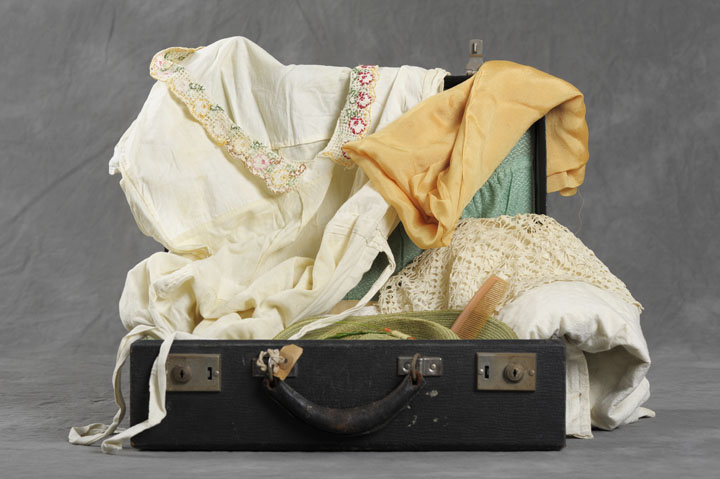
Willard Suitcases – Darby Penney – Photos by Jon Crispin

Jon Crispin Suitcase 2 - http://joncrispin.wordpress.com/

Jon Crispin Suitcase 2 – http://joncrispin.wordpress.com/

Like so many others who have discovered that an ancestor was an inmate at Willard, I read the book The Lives They Left Behind Suitcases From A State Hospital Attic by Darby Penney and Peter Stastny in order to learn what life was like living inside the asylum. I contacted Ms. Penney to ask if my great-grandmother’s suitcase was found in the attic. It wasn’t. The authors were given permission to research the medical records of twelve patients and were allowed to use patient photographs in the book using factitious names. Since I am a descendent of a patient, I assumed that I would be able to receive a copy of my great-grandmother’s medical records and photographs. I was wrong. I learned that I have no right to this information unless my primary care physician needs the health records to diagnose or treat a condition. This explanation was given to me in a letter by the Commissioner of the New York State Office of Mental Health. It makes no sense to me considering that my great-grandmother has been dead for eighty-four years. I wonder if a diagnosis that was made eighty-four years ago would even be relevant today. My point is this: I want to know what happened to my great-grandmother. I want to learn her diagnosis and read about her experiences in a state hospital.

Jon Crispin Suitcase 6 - http://joncrispin.wordpress.com/

Jon Crispin Suitcase 6 – http://joncrispin.wordpress.com/

Ms. Penney is a national leader in the human rights movement for people with psychiatric disabilities. In an email I asked her, “When did the state hospitals go bad?” Her reply was, “It never went bad. Western society’s methods of dealing with people in mental and emotional distress have always been based on punishment and segregation. Anyone who is locked up against their will and kept in isolation is being treated poorly, to my mind.” Ms. Penney and the NYS Archives have the list of the former suitcase owners. Even though it is not a medical record it cannot be released to the public because it would identify former patients. You may contact Ms. Penney to inquire about your ancestor’s suitcase at: community@capital.net. For more information visit The Lives They Left Behind Suitcases From A State Hospital Attic Website. 

Jon Crispin Suitcase 10 - http://joncrispin.wordpress.com/

Jon Crispin Suitcase 10 – http://joncrispin.wordpress.com/

Willard Asylum Cemetery (Veterans Names) Military Section, Seneca County, NY:
http://www.newyorkroots.org/ontario/cems/SenecaCo/Willardceme.htm

Jon Crispin Suitcase 13 - http://joncrispin.wordpress.com/

Jon Crispin Suitcase 13 – http://joncrispin.wordpress.com/

Jon Crispin’s Notebook – Willard Suitcases:
http://joncrispin.wordpress.com/2011/03/18/willard-asylum-suitcase/

http://joncrispin.wordpress.com/2011/07/24/willard-asylum-suitcase-2/
http://joncrispin.wordpress.com/2011/10/04/willard-suitcase-3/
http://joncrispin.wordpress.com/2011/10/07/willard-suitcase-4/
http://joncrispin.wordpress.com/2011/10/16/willard-suitcase-5/
http://joncrispin.wordpress.com/2011/10/23/willard-suitcase-6/
http://joncrispin.wordpress.com/2011/10/31/willard-suitcase-7/
http://joncrispin.wordpress.com/2011/11/11/willard-suitcase-8/
http://joncrispin.wordpress.com/2011/12/05/willard-suitcase-9/
http://joncrispin.wordpress.com/2011/12/27/willard-suitcase-10/
http://joncrispin.wordpress.com/2012/01/13/willard-suitcase-11/
http://joncrispin.wordpress.com/2012/02/06/willard-suitcase-12/
http://joncrispin.wordpress.com/2012/03/03/willard-suitcase-13/

The Willard and Rochester State Hospital Connection

“The raving maniac, the young child, the infirm old man, and the seducer’s victim, were crowded in a building whose remembrance must seem painful.”
– W. H. McIntosh, History of Monroe County, New York

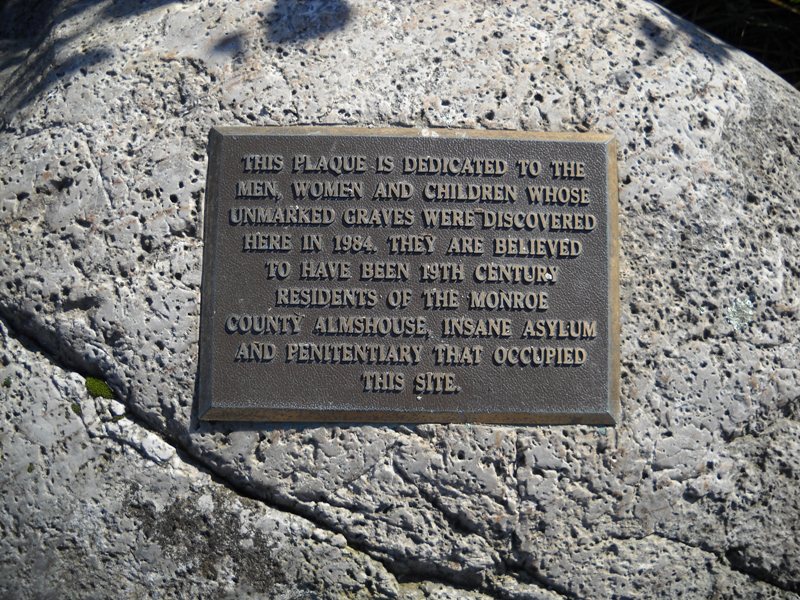
To the west of the entrance of the Vietnam Veterans Memorial of Greater Rochester in Highland Park (1440 South Avenue, Rochester, NY) stand three cream colored wooden arbors with benches, a lovely brick patio, and a small garden. This site, now known as The Remember Garden, marks the old burial ground that was used to bury paupers and criminals in unmarked, anonymous graves during the nineteenth century. In July 1984, approximately 900 human remains were discovered in this unmarked cemetery which was located behind the old Penitentiary. The bodies are believed to be the inmates who lived and died at the Work House (Penitentiary), Alms House, and the Insane Asylum between 1826 and 1863. 284 to 305 remains were re-interred in Mount Hope Cemetery in 1985. The memorial that marks the location of the cemetery in Highland Park was dedicated in May 2009, and the memorial to mark the re-interred remains at Mount Hope Cemetery may be dedicated in the spring of 2012. See 1872 “Bone Yard” The Remember Garden.

Remember Garden, Highland Park

Remember Garden, Highland Park

It is indeed unfortunate that thousands of poor “sane” men, women, and children, who lived and died in the county poor houses and other charitable institutions of our country, were buried in anonymous, unmarked graves; but their final resting places can be marked with engraved headstones. The same rule does not apply for those who were labeled as “insane” which also includes people who were diagnosed with epilepsy. It is virtually impossible for family researchers to obtain the medical records of their ancestors who were incarcerated at these long closed insane asylums because of the federal HIPAA Law which states, The Office for Civil Rights enforces the HIPAA Privacy Rule, which protects the privacy of individually identifiable health information; the HIPAA Security Rule, which sets national standards for the security of electronic protected health information; and the confidentiality provisions of the Patient Safety Rule, which protect identifiable information being used to analyze patient safety events and improve patient safety.” This rule has also been applied to burial ledgers and death records of former NYS Hospitals and Custodial Institutions. Everyone has been forced to sign HIPAA documents at their doctor’s office. Most people interpret this law as one that applies to the living, not the dead. An individual’s right to privacy ends at death but the right of patient confidentiality apparently lasts forever. What is even more confusing is that a few states have interpreted this federal law differently than New York State. SEE NEW HIPAA UPDATE!

Monroe County Poor House & Rochester State Hospital

Monroe County Poor House & Rochester State Hospital

Washington, Oregon, Massachusetts, and Minnesota have allowed the release of the names of former psychiatric patients buried in anonymous, unmarked graves to the public. In some cases, these states have provided funds for cemetery restoration and engraved headstones. One would presume that if other states have released the names of patients, then New York State should be allowed to do the same. To deny our ancestors this simple remembrance, for all eternity, on the grounds that they were unfortunately and unnecessarily labeled as mentally ill, is unconscionable. The people of the state and the country have a right to know where their ancestors are buried; and the patients should have the right to be remembered with dignity.

Bill S2514 has been introduced to the New York State Legislature by Senator Joseph E. Robach. Let’s keep our fingers crossed that this bill becomes a law.

So, what does Willard State Hospital have to do with Rochester State Hospital? (The main building of the Willard State Hospital was demolished in 1984/85. Some of the buildings currently belong to the NYS Prison System / Willard Drug Treatment Facility).

The Willard Act of 1865 was “An Act to authorize the establishment of a State asylum for the chronic insane, and for the better care of the insane poor, to be known as The Willard Asylum for the Insane.” This law introduced a new policy that “was to relieve the county of their care and devolve it upon the State through the ‘Willard,’ and the State Lunatic Asylum at Utica.” Willard opened its doors on October 13, 1869. From the beginning New York and Kings Counties were exempt from this law; Monroe County quickly followed. “An Act In Relation To The Chronic Pauper Insane” was passed on April 25, 1871. The board of State Commissioners of Public Charities was authorized to hear and determine all applications by the county superintendents of the poor of the counties of New York State. On written application the several counties had to prove to the Legislature that “the buildings and means employed to take care of the chronic pauper insane of such county are sufficient and proper for the time being for such purpose.” Monroe County was exempted from sending their pauper chronic insane to the Willard Asylum about the year 1872.

Willard State Hospital, Main Building, circa 1898.

Willard State Hospital, Main Building, circa 1898.

The Willard Asylum was unique because it was created to end the poor house system of caring for the insane. From 1869 to 1890, an inmate once committed to the facility, was prohibited from being returned to the county poor house unless the county was exempted, or the county did not want that particular patient returned. Willard provided a permanent home for the pauper chronic insane or “incurables” of the state. The term chronic refers to an individual who suffered from insanity for more than one year. Counties that were not exempt from the law were responsible for transporting their pauper chronic insane to Willard and paying the cost of the patients’ care, maintenance, and clothing. Willard was located in the towns of Ovid and Romulus, Seneca County, New York, on the shores of Seneca Lake and is roughly 80 miles from Rochester.

According to The Proceedings of the Board of Supervisors of the County of Monroe, 1871, the only patient who was sent to The Willard Asylum for the Insane by the County of Monroe was Francis J. O’Brien, at the yearly cost of $129.00. The U.S. Federal Census of 1870, which is the first census of the Willard Asylum, shows that Mr. O’Brien was 29 at his last birthday; male; white; born in the state of Michigan; insane. In 1880, he is listed as: 40 years old; married; occupation, physician; born in the state of Michigan; insane; living in the North wing of the main asylum building. The 1880 U.S. Federal Census Schedules of Defective, Dependent, and Delinquent Classes lists him as: residence when at home, Rochester, Monroe; form of disease, Chronic Mania; duration of present attack, 13 years; total number of attacks, 1; age at which first attack occurred, 27; what has been the total length of time spent by him (or her) during life in such asylums, 11 years. In 1900, he is listed as 60 years old; inmate, white; male; married; born in Michigan. His name does not appear on the 1910 Federal Census. Mr. O’Brien died between 1900 and 1910 and spent at least 31 years of his life locked up at Willard as did thousands of New Yorker’s during the last two centuries. We will never know how or when he died, or where he was buried unless current law changes.

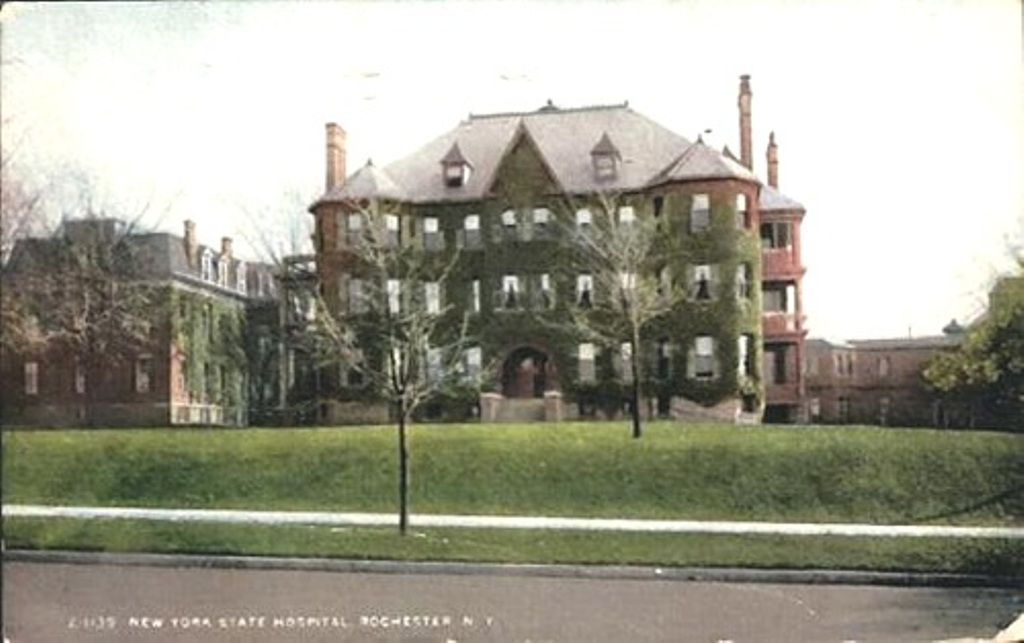
The State Care Act passed in 1890. It was An Act to promote the care and curative treatment of the pauper and indigent insane in the counties of this state, except New York, Kings and Monroe counties, and to permit said excepted counties or either of them, in accordance with the action of their respective local authorities, to avail themselves or any one or more of them, of the provisions of this act.The State Commission in Lunacy was given the power to divide the State into hospital districts and dropped the distinction between acute and chronic asylums. This law also renamed state insane asylums to state hospitals. Willard was no longer an asylum for the chronic insane only and was renamed Willard State Hospital which served the counties of Allegany, Cayuga, Genesee, Ontario, Orleans, Schuyler, Seneca, Steuben, Tompkins, Wayne and Yates. The Monroe County Insane Asylum was renamed Rochester State Hospital and served the counties of Monroe and Livingston. On July 1, 1891, Monroe County came into the state system and the asylum was purchased by the state. The New York State poor house system of caring for the insane ceased to exist October 1, 1893, when the State Care system went into effect.

The commonalities of the Willard Asylum for the Insane and The Monroe County Alms House, were they both shared the same architect; Mr. John Rochester Thomas, born on June 18, 1848, at Rochester, New York. According to W. H. McIntosh in his book History of Monroe County, New York: “John R. Thomas, one of our most enterprising young architects, commenced the practice of his profession here in the year 1866, and now ranks with the leading architects of the country. Mr. Thomas has during the past ten years accomplished a very large amount of work. He introduced the Mansard roof, which was first applied to private dwellings. Mr. Thomas has made a specialty of the study of Gothic art, believing it will be the architecture of the future in this country. He has also designed largely for private dwellings in the city and adjoining country, among which is the residence of H. A. De Land, of Fairport, one of the most elegant and costly private residences in western New York. He also designed Rochester Theological Seminary buildings, Sibley Hall, on the University grounds, the Opera House, the Monroe County almshouse, the University of Virginia, at Charlottesville,Virginia, and the New York State Reformatory buildings, at Elmira. In the year 1874, Mr. Thomas received a very honorable appointment from Governor Dix as one of the State architects, and was assigned at once to the charge of the Reformatory at Elmira, which position he now holds.” (1) The choice of Dr. John B. Chapin, first Superintendent of The Willard Asylum for the Insane, choosing Mr. Thomas as the architect of The Willard Asylum for the Insane caused a great deal of controversy in New York State because at the time he was not yet a state architect. The “Mansard” or French roof is prominent in many of Mr. Thomas’s architectural designs.

The differences between Willard and Rochester State Hospitals, was that Willard had its own twenty-five acre cemetery located about a mile down the road from the facility which contains the remains of 5,776 patients buried in anonymous, unmarked graves. The Rochester State Hospital used Mount Hope Cemetery to bury its inmates. I spoke to a very knowledgeable gentleman from the Rochester Office of Mental Health who stated that the address of the Rochester State Hospital was 1600 South Avenue. He said the facility was torn down in the 1960s to make way for the Al Sigl Center. The address of the Al Sigl Center was given a new address by the U.S. Postal Service: 1000 Elmwood Avenue (corner of South Avenue). In the past, I have searched the Mount Hope Cemetery Records looking for family members and had often seen “1600 South Avenue” given as the residence for many people. I always wondered what it was and on occasion I had Googled the address but received no hits. Now I know why, the address no longer exists.

I have transcribed the earliest records: Names: Monroe County Poorhouse, Asylum, Penitentiary, Other Charities 1838 to 1860. If you believe that your ancestor was an inmate who lived and died at The Monroe County Insane Asylum / Rochester State Hospital you can search for them at the Rochester – Mt. Hope Cemetery Records online. Here is a brief description of what you will see if you decide to search the records for yourself: Under the heading “Residence,” a street name will be given with no specific address; or it will list the place where the person died such as: Insane Asylum, Asylum, County House, Jail, etc. (Be aware that there was an Asylum Street in the City of Rochester that as far as I know, had no connection with the Monroe County Insane Asylum). About 1891, you will start to see the words “Rochester State Hospital” under “Residence.” At some point in the 1900s, instead of listing the place of death as Rochester State Hospital the address has been given instead as “1600 South Avenue.” In some instances, the family of the deceased claimed the body and buried them in the family plot. In the case of pauper and indigent insane, the hospital buried them in unmarked, anonymous graves at Mount Hope Cemetery. Some unclaimed bodies were donated by state hospitals to state medical colleges for the advancement of medical science in which case no grave will be found.

At the very least, the location of these graves should be marked in Mount Hope Cemetery with a memorial indicating the final resting place of the patients of The Monroe County Insane Asylum and Rochester State Hospital. Providing individual, engraved markers would be ideal but without the actual death records this will not be possible. The Rochester State Hospital burial records do exist and should be released to the public, along with all former state hospital burial ledgers in a unified, digital, database in order that descendants and caring citizens can find their ancestors and mark the graves of these forgotten souls if they wish to do so. Hopefully, a new bill introduced into the New York State Legislature by Senator Joseph E. Robach will allow the release of the names of these people who have remained anonymous for over one hundred years. I would like to thank Senator Robach and his staff for writing and sponsoring the bill.

As a life-long Rochester area resident, I am proud to live in a community that has provided so many genealogical resources. I am truly grateful for The Friends of Mount Hope Cemetery who have taken the time and effort to assist me on more than one occasion. A few years ago, volunteer Frank Gillespie, who recently passed away in January 2012, helped me locate my great-grandparents’ grave by providing a map and directions. Marilyn Nolte, President of The Friends of Mount Hope Cemetery, has located the section where many of the Rochester State Hospital patients are buried, and she patiently answered numerous questions regarding the older sections of the cemetery, unmarked graves, and the responsibilities of plot owners. I thank them for their dedication, knowledge, and help.

(1) SOURCE: McIntosh, W. H., History of Monroe County, New York; With Illustrations Descriptive Of Its Scenery, Palatial Residences, Public Buildings, Fine Blocks, and Important Manufactories, From Original Sketches By Artists Of The Highest Ability.Philadelphia: Everts, Ensign & Everts, 716 Filbert Street, 1877, Page 142.

Sally Green’s Anonymous Burial, Rochester, NY

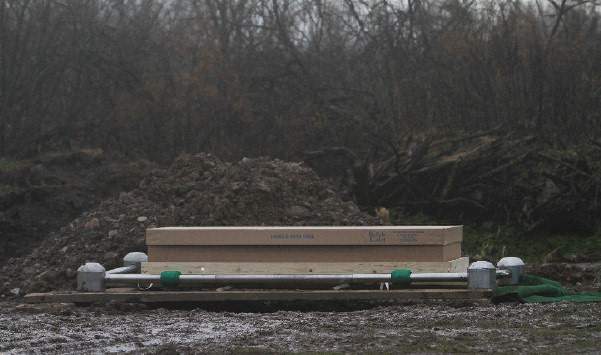
I am writing this post in response to the story in the Rochester, NY, Democrat and Chronicle, of the anonymous burial of Sally Green, a woman who lived with a mental illness and somehow slipped through the cracks never receiving the help or care that she needed. What is most disturbing to me is the fact that her family was not notified of her death until she had been dead and buried for three weeks in a cardboard coffin (with or without a vault), in an anonymous, unmarked grave. In my opinion, the reason why this poor woman was buried in an anonymous grave wasn’t because her family didn’t care about her; it was due to the fact that she had mental health issues. The big questions in my mind are: why didn’t anyone take the time to locate her family, and who else is buried in this anonymous section of this public cemetery?

Sally Green Coffin - Tina Yee Photographer

Sally Green Coffin – Tina Yee Photographer

During the nineteenth and twentieth centuries, state “insane” asylums and hospitals, including the former Monroe County Insane Asylum later renamed Rochester State Hospital, buried thousands of patients in anonymous, unmarked graves. I was not aware that this practice was still in use. Who knows if the families of these patients were ever told what became of them. Most people are not aware that in the state of New York the unmarked, anonymous graves of the “mentally ill” located in former NYS Hospital cemeteries and public cemeteries such as Mount Hope Cemetery (Rochester, NY), cannot be marked with an engraved headstone and their names cannot be made public because of the interpretation of federal HIPAA Law by the NYS Office of Mental Health. To deny our ancestors and the recently deceased this simple remembrance, for all eternity, on the grounds that they were diagnosed with a mental illness, and, therefore, by law, they are not permitted to be remembered, is unconscionable.

Everyone should be remembered with dignity. I wonder if the public will be given an explanation as to why no one took the time to find out if Sally Anne had a family? These actions are dehumanizing, insulting and simply unacceptable.

Family Never Told Of Sally Green’s Death, Burial – Democrat & Chronicle 2.18.2012.
“Trudging through the wet grass in Oatka Cemetery, mud and rainwater creeping up the sides of her jeans as tears dripped down her face, Cynthia Green finally cried out. “This is so stupid! I’m just trying to find my sister!” On Jan. 19, Sally Green died at Strong Memorial Hospital, and in an apparent series of missteps and miscommunications, no one told her son Derrick or any of her eight living siblings that she had died until long after she was buried. Family members finally learned of her passing last week, and, seeking answers, they say they were repeatedly spurned by officials, none of whom were willing to claim responsibility for the mishap. When they finally visited the small section of Oatka Cemetery reserved for indigent burials — home to about 300 others that the county has had buried there over the past six years — they searched for her resting place for more than half an hour. Sally Green’s was one of the many unmarked graves, so the family eventually had to ask for assistance from the cemetery caretaker, who pointed them to the right spot: a flat pile of mud unmarked by anything other than a small yellow rock. They said a prayer as they gathered around the burial site, where beneath their feet, the body of their mother and sister lay in a coffin that was little more than a glorified cardboard box marked “Handle with care.” “Can you imagine someone in your family getting buried without notifying you, and then you find out a month later?” said Derrick Green. “All of this is just crazy. Mentally, I’m so drained right now. I just don’t want this to happen to no one else.”

A Troubled Life
Afflicted with a mental illness, Sally Green had been drifting for the past several years, said her sister Cynthia Green. She was in and out of homeless shelters, and a drinking problem led to numerous hospitalizations. She was found on the morning of Jan. 19 in a room at the Cadillac Hotel, where she’d been staying for the previous two weeks, and was pronounced dead at Strong at 10:07 p.m. She was 57. But family members say that no one at the hospital called them, nor did anyone at the Monroe County Public Administrator’s Office, which is tasked with tracking down surviving family members and preparing funeral arrangements if no family is located. In the case of Sally Green, this shouldn’t have been difficult. Her son, as well as six of her eight living siblings, lives in the Rochester area. She has numerous cousins in Rochester as well, four of whom work for the Rochester Police Department. Additionally, she always carried identification and an address book with her, but officials never showed up at the Cadillac Hotel to search her belongings, said Tina Spence, the hotel’s front desk clerk. “They could have easily found where I was at,” said Derrick Green, 42, of Rochester. The family now wants the county to pay to have the body exhumed so they can conduct their own funeral and bury Sally Green next to her mother, Cora Green. “My mom is not resting well right now,” said Derrick Green. “This way, at least we could say goodbye to her in the right kind of way.” They’d also like a better explanation as to the cause of her death. To date, the family has no insight into how she died other than a three-word description on the death certificate: “acute myocardial infarction” — or a heart attack, in common terms. On Friday, officials at Strong Memorial Hospital called the family and set up a meeting to explain the cause of her death further, said Derrick Green. Social workers at the hospital attempted to locate relatives on the day Sally Green was admitted but were unable to find any, said Teri D’Agostino, spokesperson for Strong Memorial Hospital. When Green died, the hospital turned the case over to the public administrator, Frank Iacovangelo, said D’Agostino. Iacovangelo’s firm, Gallo & Iacovangelo, did not return a call seeking comment. Monroe County also did not return a call seeking comment.

Fourth Of 10 Siblings
Born to Miles and Cora Green, Sally Green was the fourth of 10 siblings. As a youth, she would often wait until her mother fell asleep clutching her baby sister Cynthia before sneaking over and bringing the baby into her own bed to hold. She grew to be a caring girl with a sarcastic sense of humor and a penchant for taking baths — sometimes more than once a day, said her sister Linda Cloud. She had Derrick when she was 15 years old, but several years later, she began showing signs of mental illness. Unable to care for her son, she gave him up for adoption, but he returned to the family and reunited with his mother when he was 16, family members said. Later in her life, with her mental illness compounded by alcohol abuse, she often found herself staying at the House of Mercy, a homeless shelter in Rochester. There, she became affectionately known as the “lipstick bandit,” because she would often spread lipstick beyond the reaches of her lips and up the sides of her cheeks, said Cynthia Green. In recent months, she lived with her son and called him regularly when he wasn’t home. “I used to be like ‘Why are you calling me so much?'” said Derrick Green. “But thinking of it now, I think she wanted to be around me because she knew her days were coming to an end.” She moved into the Cadillac Hotel on Jan. 5, and her son was helping her find an apartment of her own, he said. Though she stayed there for only two weeks prior to her death, she endeared herself to the staff, thanks to her bright orange hat and affinity for burnt popcorn. On Jan. 29, two days after her burial, a one-line obituary ran in the Democrat and Chronicle, but several more days would pass before family members learned of her death. She is predeceased by her brother Gary, and survived by her son Derrick; her brother Miles; her sisters Gloria, Cora, Joyce, Cynthia, Clara Ingram, Mildred Gibson and Linda Cloud; and many other relatives. Derrick Green said he’s had trouble eating, sleeping, and working since his mother died. “I only have one mother,” he said, “and I want someone to be liable for what they have done.” SDOBBIN@DemocratandChronicle.com & Twitter: @Sean_Dobbin

Monroe County Public Administrator Reveals New Protocol For Finding Next Of Kin, Changes Made In Response To Sally Green Case – David Andreatta – Democrat & Chronicle 4.26.2012
“The circumstances that led to Sally Green being buried in a pauper’s grave unbeknownst to her family were “unusual and exceptional,” the Monroe County public administrator, who authorized the burial, wrote to the Monroe County Legislature in a letter dated this week. The public administrator, Frank Iacovangelo, wrote in response to legislators who questioned his protocol for locating next of kin following Democrat and Chronicle reports of Green’s burial and subsequent exhumation from Oatka Cemetery in Scottsville. Iacovangelo paid to have Green reburied at Mt. Hope Cemetery. A private lawyer under contract with the county, Iacovangelo wrote that the incident prompted a “thorough review” of his office’s protocol and “resulted in an enhancement of office procedures to prevent any recurrence of burial without family notification and approval.” The letter, dated April 23 and to which new procedures were appended, marked the first time he has publicly revealed the extent of the changes and said the Green situation was unique. “Up until (Green’s burial in) February of this year, I have never had a situation arise where I was unable to find a relative willing to act (on behalf of the deceased) when such a person actually existed,” the letter read. The matter of Green, who had drifted in and out of homelessness and was estranged from her family when she died in January, turned a spotlight on taxpayer-funded indigent burials and the function of the public administrator, who is charged with handling the estates of the poor and people who die without a will or executor. Much of the new protocol reads like a list of common sense steps one might take to track down relatives of people disconnected from society.” DANDREAT@DemocratandChronicle.com
http://twitter.com/dandreattaDandC


Paranormal State – The Ghosts of Willard Asylum

Paranormal State – The Asylum – Parts 1 & 2

I saw this episode of Paranormal State starring Ryan Buell, on A & E a few months ago, and since I am interested in the history of The Willard Asylum for the Insane (Willard State Hospital), I wanted to share it with you. Yes, I do believe that every person has a soul, and I do believe in the possibility that some souls may be stuck here on earth in a place where they don’t want to be, for whatever reason.

I wanted to share this episode because it shows a panoramic view of the Willard Cemetery which is a disturbing 25 acres of anonymous, unmarked graves; only the veteran’s graves are marked. The video also shows the original State Agricultural College Building which was turned into “The Branch,” and later renamed “The Grandview,” which held over 200 mild, insane, female patients (the basement of this building is shown quite a bit with its rounded, brick arches).

Willard was unique because it was built for the “pauper chronic insane” population of New York State and opened on October 13, 1869 (not 1866). Willard’s main building or “Chapin House,” named after Dr. John B. Chapin, the first physician superintendent of Willard, no longer stands as it was demolished around 1984/85. The group of red buildings with boarded up windows is one of four “cottage style” buildings that made Willard different from other state hospitals because they could segregate patients (over 200 patients in each group of 5 buildings), and expand the hospital in an economic (cheap) way to serve the needs of the state.

This cemetery has been blessed numerous times but the people who are buried there still remain anonymous.

Part One

Part Two

To learn more about The Willard Asylum for the Insane, buy my book:

The Inmates of Willard 1870 to 1900, A Genealogy Resource

The Inmates Of Willard 1870 to 1900 / A Genealogy Resource

The Inmates Of Willard 1870 to 1900 / A Genealogy Resource