Mental Illness & Ignorance

I am the first to admit that I didn’t have a clue about what mental illness really is, and I have never claimed to be an expert on this issue, because I am not. When I discovered that my great-grandmother was sent to Willard State Hospital at the end of her life, it made my stomach flip and I felt overwhelming sadness. I remember reading her obituary over and over again to see if I had read it correctly. I even asked myself, could there be another state hospital at Willard that wasn’t a mental institution? Did she really die there? Why was she sent there? What was her diagnoses? Before I lose your attention, let me explain who was sent to Willard so that you will no longer be uneducated, unaware, or uninformed. Anyone who was not considered “normal” was sent to Willard including the elderly with Dementia and Alzheimer’s Disease. Remember, there really were no nursing homes until the 1950s. Others were Hearing Impaired, had Developmental Disabilities, were Trauma Victims including Victims of Domestic Violence and Rape (back then they called it “Seducer’s Victim”), had PTSD (Soldier’s Heart & Shell Shock), Menopausal Women, Depression, Anxiety Disorders, Brain Injuries, Stroke Victims, Epilepsy, Neurological Disorders, Psychiatric Disorders, and some were locked up because of their sexual orientation, personal beliefs, and religious beliefs.

You have to ask yourself, why are we so ignorant on this issue? Why are we receiving the great majority of mental health information from television commercials put out by the pharmaceutical companies and Dr. Phil? God Bless Him! Why is the jail at Riker’s Island being used as the largest mental health facility in the country? This is how we used to treat the mentally ill 150 years ago. When we pay our taxes which is a huge burden on the people of New York State, we assume that the people appointed to these high paying positions are actually doing their jobs and taking care of the people they are supposed to be advocating for; those who need the most help. Obviously, this is not the case and this abuse of the public trust needs to end.

Are burial records available to the public? Yes, but you would have to sit in the town clerk’s office and pull out each record that applies to that county’s particular state hospital or custodial institution. If you post their names online, you run the risk of being charged $10,000 for each violation, or each person. It would be much easier to record this information from each institution’s burial ledgers. Is it ridiculous that the Office of Mental Health classified burial records from state facilities as medical records? Yes. Were they really protecting the identities of former patients? No. In every correspondence that I received, it was made crystal clear that this was done to protect the families because some may find it offensive. Not only has the OMH insulted families and descendants of these people who were buried in anonymous graves, they have contributed to the stigma. They need to step out of the way, focus on the living, and hand over the burial ledgers to cemetery groups and responsible volunteers who will get the job done at NO cost to the state. Our ancestors and our families have nothing to be ashamed of! That would be like being ashamed of heart disease or diabetes. Putting names on a memorial, headstone, or list, should not be offensive to anyone, unless, of course, you are ignorant.

“I Got A Name” by Jim Croce
Abused and Used – New York Times
CLICK HERE TO VIEW THE VIDEO They’re Buried Where? by Seth Voorhees

The list of these former New York State Hospitals includes but is not limited to: BinghamtonBuffaloCentral IslipDannemoraEdgewoodGowandaHudson RiverKings ParkLong IslandManhattanMatteawanMiddletownMohansicPilgrimRochesterSt. LawrenceSyracuseUtica, and Willard. The Feeble-Minded and Epileptic Custodial Institutions of New York includes but is not limited to: Craig Colony for EpilepticsLetchworth Village for Epileptics & Developmentally DisabledNewark State School for Developmentally Disabled WomenRome State School for Developmentally Disabled Adults & Children, and Syracuse State School for Developmentally Disabled Children. There may be more.

A Day at Willard Cemetery 5.18.2013

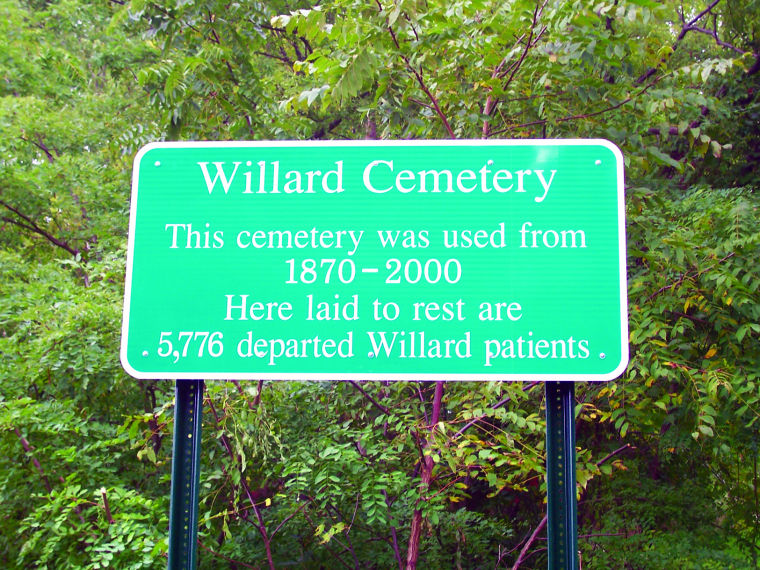
On Saturday, May 18, 2013, I visited the Willard Cemetery for a second time. This was the day of the annual Willard Tour that benefits a day care center on the old Willard property. Hundreds of people attended the tour and a good crowd gathered at the cemetery. Quite a bit has changed since my first visit on May 14, 2011, when the grass was up to my knees and no one was there but me, my husband, and two of our friends. It was a very sad place. The Willard Cemetery Memorial Project was formed by Colleen Kelly Spellecy in 2011. She has done a fabulous job organizing the group, having a sign installed at the entrance, raising awareness about the project, getting the cemetery lawn mowed, and collecting donations. I was happy to see so many concerned people at the cemetery.

Now there is hope, not only for the Willard Cemetery but for all state hospital and custodial institution cemeteries across the State of New York. A bill was introduced to the NYS Legislature in March 2012 and was re-introduced on January 18, 2013 as S2514-2013. If this bill becomes law, then the names of our forgotten ancestors will be released. They will finally be honored and remembered with dignity. This bill specifically addresses the “burial records” issue. Although HIPAA has stepped out of the way to allow individual states to release “medical records” 50 years after a patient has died, I am not sure if this issue was specifically addressed in this bill. Let’s take one step at a time and be grateful for what is in the works right now! Anyone who has ever dealt with the New York State Office of Mental Health in trying to obtain any type of information on an ancestor, whether it concerns asking where they are buried or obtaining a medical record, knows how arrogant and non-responsive they are unless you have a Ph.D. after your name. This needs to change.

Another fact that people don’t realize is that the great majority, if not all, of these historical cemeteries are “inactive” which means no one else will be buried there. I hope that ALL names are released including more recent burials. For example, when Willard closed in 1995, a gentleman was transferred to another facility. When he died in 2000, he asked to be buried in the Willard Cemetery because this was his home. Who will be here in 2050 to add this man’s name to a headstone or memorial? Who allowed these cemeteries to become forgotten?

Who was sent to Willard? Anyone who was not considered “normal” including the elderly with Dementia and Alzheimer’s Disease. Remember, there really were no nursing homes until the 1950s. Others were Hearing Impaired, had Developmental Disabilities, were Trauma Victims including Victims of Domestic Violence and Rape (back then they called it “Seducer’s Victim”), had PTSD (Soldier’s Heart & Shell Shock), Menopausal Women, Depression, Anxiety Disorders, Brain Injuries, Stroke Victims, Epilepsy, Neurological Disorders, Psychiatric Disorders, and some were locked up because of their sexual orientation, personal beliefs, and religious beliefs. These people, their families, and descendants, have nothing to be ashamed of. That would be like being ashamed of heart disease or diabetes. Putting names on a memorial, headstone, or list, should not be offensive to anyone.

Also attending the tour on this day was Seth Voorhees, Senior Reporter for the Time Warner Cable news channel YNN that serves Rochester and the Finger Lakes. Mr. Voorhees was genuinely interested in my mission to get this law passed in New York and offered me the opportunity of an interview. Although I am not a public speaker, I jumped at the chance to get the word out to a larger audience. I can’t thank him enough for all the time he spent putting this video report together. This piece aired on YNN, Saturday, May 25, 2013. I also need to thank Senator Joseph E. Robach for drafting and introducing the bill to the New York State Legislature. I hope this piece will raise awareness about the anonymous graves issue as this was never about patient confidentiality, it’s about respect.

CLICK HERE TO VIEW THE VIDEO They’re Buried Where? by Seth Voorhees.
Not Forgotten by Colleen Spellecy.

The list of these former New York State Hospitals includes but is not limited to: BinghamtonBuffaloCentral IslipDannemoraEdgewoodGowandaHudson RiverKings ParkLong IslandManhattanMatteawanMiddletownMohansicPilgrimRochesterSt. LawrenceSyracuseUtica, and Willard.

The Feeble-Minded and Epileptic Custodial Institutions of New York includes but is not limited to: Craig Colony for EpilepticsLetchworth Village for Epileptics & Developmentally DisabledNewark State School for Developmentally Disabled WomenRome State School for Developmentally Disabled Adults & Children, and Syracuse State School for Developmentally Disabled Children. There may be more.

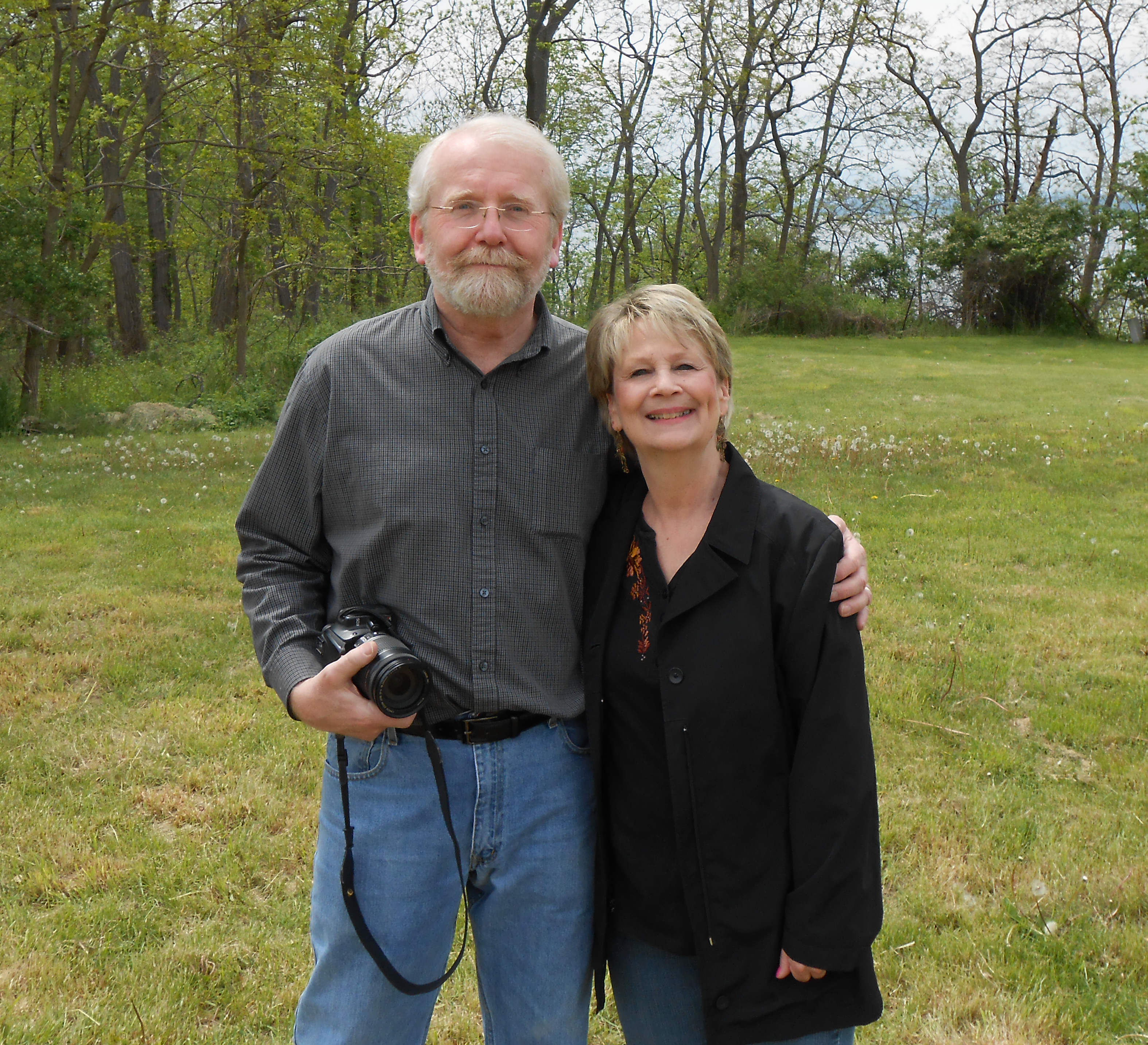
Seth Voorhees & Lin Stuhler 5.18.2013

Seth Voorhees & Lin Stuhler 5.18.2013

Roger Luther from nysAsylum.com & Lin Stuhler 5.18.2013

Roger Luther from nysAsylum.com & Lin Stuhler 5.18.2013

Colleen Spellecy, Craig Williams, Lin Stuhler 5.18.2013

Colleen Spellecy, Craig Williams, Lin Stuhler 5.18.2013

Willard Cemetery Sign 5.18.2013

Willard Cemetery Sign 5.18.2013

Willard Cemetery Memorial Project 5.18.2013

Willard Cemetery Memorial Project 5.18.2013

Willard Cemetery 5.18.2013

Willard Cemetery 5.18.2013

Old Metal Marker 5.18.2013

Old Metal Marker 5.18.2013

Willard Cemetery 5.18.2013

Willard Cemetery 5.18.2013

This photo is of the Civil War Veterans Section of the cemetery. They were provided with clearly inscribed headstones from the government. Colleen discovered that a few of them were not “inmates” of Willard but were residents of the town. I wonder how many other United States Veterans who served their country with honor but ended up at Willard are buried here among the 5,776 in anonymous graves?

Willard State Hospital & Cemetery

Between 1869 and 1890, Willard Asylum for the “Chronic” Insane served the entire State of New York with the exception of New York, Kings, and Monroe Counties. After 1890, Willard State Hospital served the counties of Allegany, Cayuga, Genesee, Ontario, Orleans, Schuyler, Seneca, Steuben, Tompkins, Wayne, and Yates.


https://inmatesofwillard.com/2022/12/14/willard-cemetery-at-find-a-grave/

1916 Willard State Hospital.
The Branch – Wayne E. Morrison, Sr. – Pictorial Album of The Willard Asylum 1869–1886 – 3.7.2013.
Wayne E. Morrison, Sr. – Pictorial Album of The Willard Asylum 1869–1886 – 1.10.2013.
1886 Hayt’s Corner’s, Ovid & Willard Rail-Road – 1.9.2013.
Captain Morris J. Gilbert, Steward – 3.16.2013.
1917 Willard Maps – 7.25.2012.
The Willard and Rochester State Hospital Connection – 4.18.2012.
1900 Willard State Hospital Steward’s Report.
Obituary 1865 Dr. S.D. Willard.
Obituary 1918 Dr. J.B. Chapin.
Photographs Willard State Hospital circa 1898.
Photographs of Willard State Hospital by Roger Luther.
THE BAD NEWS: Thousands Remain Nameless! 6.15.2015.
THE GOOD NEWS: One Man Is Remembered! 6.14.2015.

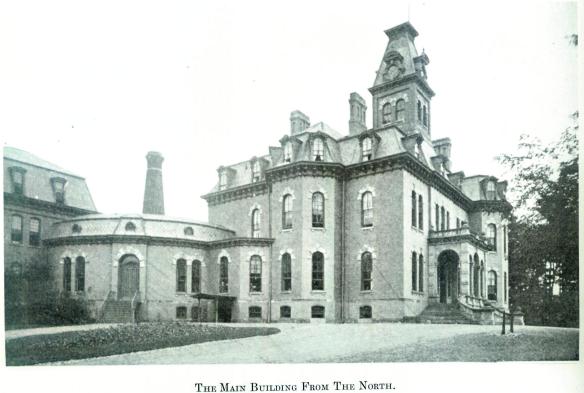
10-The Main Building From The North-Wayne E. Morrison, Sr. 1978

10-The Main Building From The North-Wayne E. Morrison, Sr. 1978

Willard Cemetery Memorial Project

“Lost Luggage, Recovered Lives” by Peter Stastny, MD, and Darby Penney, MLS

The Lives They Left Behind Suitcases From A State Hospital Attic offered a ray of hope for people like me, who had discovered that an ancestor was a former patient who died at Willard State Hospital. I read the book in a day, not being able to put it down. I wanted to know more. I wondered what kind of treatment was given to my great-grandmother, and I wonder to this day. The significance of this book is that no others before Darby Penney and Peter Stastny had ever gone through the patient medical records and personal belongings in order to tell the patient’s side of the story. To learn more, please feel free to download, read, and share “Lost Luggage, Recovered Lives” by Peter Stastny, MD, and Darby Penney, MLS.  

Darby Penney is a leader in the human rights movement for people with psychiatric disabilities. Peter Stastny is a psychiatrist and documentary filmmaker. You may contact Ms. Penney to inquire about your ancestor’s suitcase at: community@capital.net. For more information visit The Lives They Left Behind Suitcases From A State Hospital Attic Website. 

The Lives They Left Behind by Darby Penney & Peter Stastny

The Lives They Left Behind by Darby Penney & Peter Stastny

Within the pages of this book is where I first learned about the anonymous graves at Willard State Hospital Cemetery. Further research led me to the discovery that burying former patients of New York State Hospitals and Custodial Institutions, in numbered, anonymous graves, was not the exception but the rule. As I have stated before, I am a Genealogy Geek who was inspired by Ms. Penney and her book, to get a law passed that will require the NYS Office of Mental Health to release the names; dates of birth and death; and the location of these historic graves, to the public so that these people may be honored and remembered with dignity. Even with the new HIPAA ruling that allows the release of medical records after 50 years from the time of the patient’s death, it appears that the OMH will not comply with the new ruling unless forced to do so. One wonders how and where they got the authority to classify the burial ledgers (cemetery records) in the same category as medical records? Why are the deaths of thousands of people being kept a secret?

Hopefully, the NYSOMH will release historic patient burial information and when they do, it will be a wonderful opportunity to educate the public about what mental illness is; to reassure people that they should not be ashamed; that help is available; and that no one needs to struggle alone. But as of today, they are sticking with “the very fact of one’s mental illness, and receiving professional help for such illness, can, if generally revealed, cause a person to be subjected to prejudice and stigma in one’s personal and professional life.” Does this statement really encourage people to seek help?

“The only exception would be if you believe a patient was buried in one of our cemeteries. If so, then with appropriate family linkage documentation, including birth and death certificates, we could provide you with information on the individual’s burial site.”

One of the first lessons that you learn when researching your family history is that people have common names. In other words, you are not the only person in the world who has your name. Lesson two is, anyone can claim to be anyone’s descendant in order to get a historic copy of a birth, marriage, or death certificate. The state does not know your genealogy, nor do they care because they’re making money on the deal. Note that after spending the money on this documentation, writing a letter, mailing it in, and waiting months for a response from the OMH, they state we could, instead of, we will, provide you with the information.

The following “Frequently Asked Questions” page is posted at NYS Office of Mental Health Last Modified: 11/15/2012.

“Q. Can I get a copy of a birth or death certificate for a family member that was a resident of one of the Office of Mental Health’s facilities?

A. Birth records, death records, and marriage records are considered Vital Records in New York State and generally can be accessed by the public. If you are interested in exploring this option, you can obtain more information on how to obtain these records on the New York State Department of Health’s vital Records website at www.nyhealth.gov

Q. I have been doing genealogy research and have discovered that one of my relatives was a resident at one of the Office of Mental Health facilities. I would like to find out any personal or medical information about them. Can I obtain a copy of these records?

A. The Office of Mental Health is dedicated to the maintenance of privacy and confidentiality of patient information. We feel this is especially true with regard to mental health treatment records. It has long been recognized that the very fact of one’s mental illness, and receiving professional help for such illness, can, if generally revealed, cause a person to be subjected to prejudice and stigma in one’s personal and professional life. We also recognize that effective and lasting psychiatric therapy can take place only in an environment of privacy and trust in which the patient knows that his/her statements will be held in confidence.

New federal regulations that govern the privacy of individually identifying health information, have underscored this requirement. While it has always been our position that a person’s right to confidentiality of clinical information does not change upon his or her death, federal regulations have given us some additional specific guidance on access to records of deceased patients. Therefore, we have recently modified our policy and procedures and require the following before we can provide any information from a deceased patient’s clinical record:

A. Birth records, death records, and marriage records are considered Vital Records in New York State and generally can be accessed by the public. If you are interested in exploring this option, you can obtain more information on how to obtain these records on the New York State Department of Health’s vital Records website at www.nyhealth.gov

B. If you are a family member of the deceased patient and the patient allowed our facility to share information with you while he or she was living, and it is reasonable to assume that the patient did not intend to revoke his or her permission to continue to communicate with you prior to his or her death, we may provide you with basic information about the patient’s condition and circumstances of his or her death, if appropriate.

C. If you are a family member of the deceased patient and the information from the patient’s record is relevant to your own health care, we can release the information to your physician, provided the physician submits a written request to us on your behalf.

D. If you are the executor of the deceased patient’s estate, or if you otherwise have legal authority to act on behalf of the patient or his/her estate, (e.g. you have letters testamentary issued by a court), we can release information to you upon your written request which documents and attests to your legal authority to act on behalf of the deceased patient. We can also release information to you if you obtain and provide us with the written consent from the executor or legal representative of the deceased patient.

E. In all of these cases, we are required to review the record prior to its release to ensure it does not infringe upon the privacy rights of any other individual who may be named in the record.

The only exception would be if you believe a patient was buried in one of our cemeteries. If so, then with appropriate family linkage documentation, including birth and death certificates, we could provide you with information on the individual’s burial site. Requests should be sent to John Allen, Consumer Affairs, NYS Office of Mental Health, 44 Holland Avenue, Albany, NY 12229.”

“Breakthrough For Medical Genealogy” by Judy G. Russell – HIPAA 2013

Great article by Judy G. Russell, re-posted with permission. I have contacted the New York State Office of Mental Health asking their position on this new ruling. Hopefully, they will respond soon.

Breakthrough For Medical Genealogy

Posted on April 8, 2013 by Judy G. Russell One For Our Side

There’s been a major breakthrough in records access for those of us with family medical issues that we research in part through our genealogy.

Quietly, without much fanfare, the federal Department of Health and Human Services (HHS) has finally come around to understanding that closing medical records forever, even after the death of the person treated, isn’t the way to go.

It adopted a new set of rules earlier this year, effective just two weeks ago, that opens medical records 50 years after the patient’s death.

The change — first proposed nearly three years ago1 — came in an omnibus Final Rule adoption governing a vast array of issues under the federal Health Insurance Portability and Accountability Act (HIPAA) designed primarily to update personal privacy rules in light of technological changes in medical recordkeeping.2 The rule was adopted in January and became effective on March 26th.

As far back as 2003, archivists had complained to HHS about the old rule, under which personal health information was to be protected forever and only disclosed even after the patient’s death only if the legal representative of the estate authorized it.

In 2005, Stephen E. Novak of Columbia University had quoted from those earlier complaints in an HHS conference, explaining that “certain historical, biographical and genealogical works where the identity of the individual is the whole point could not be written, such as the Pulitzer Prize-winning A Midwife’s Tale, based on the late 18th and early 19th century diary of Maine midwife Martha Ballard.”3

Nancy McCall of the Johns Hopkins Medical Institutions told that same conference that “a number of state archives have acquired the records of defunct hospitals in their states and do not know whether they are covered entities. This is especially important for mental hospitals and TB hospitals that have closed.”4

All of those participating pleaded for clarity — and for access.

The new rule is, finally, the HHS response.

In its rulemaking, HHS recognized the problems inherent in “the lack of access to ancient or old records of historical value held by covered entities, even when there are likely few surviving individuals concerned with the privacy of such information. Archives and libraries may hold medical records, as well as correspondence files, physician diaries and casebooks, and photograph collections containing fragments of identifiable health information, that are centuries old. Currently, to the extent such information is maintained by a covered entity, it is subject to the Privacy Rule.”5

It noted that the “majority of public comment on this proposal was in favor of limiting the period of protection for decedent health information to 50 years past the date of death. Some of these commenters specifically cited the potential benefits to research. A few commenters stated that the 50-year period was too long and should be shortened to, for example, 25 years.”6

Based on its review and the public comments, HHS concluded:

We believe 50 years is an appropriate period of protection for decedent health information, taking into account the remaining privacy interests of living individuals after the span of approximately two generations have passed, and the difficulty of obtaining authorizations from a personal representative of a decedent as the same amount of time passes. For the same reason, we decline to shorten the period of protection as suggested by some commenters or to adopt a 100-year period of protection for decedent information.7

So, as of the 26th of March, HIPAA’s definition of “protected health information” expressly excludes information regarding “a person who has been deceased for more than 50 years,”8 and covered entities need only comply with HIPAA “with respect to the protected health information of a deceased individual for a period of 50 years following the death of the individual.”9

Now the fact that the federal government isn’t standing in the way doesn’t mean that all of us with family health issues can rush out and expect to be given immediate access to those old health records that may tell us so much about things we face today. The feds have never been the only player in the privacy game — state laws may also restrict access to health information.

But it’s a major breakthrough to have the federal government finally move out of the way of access to records of critical importance.


SOURCES

Tip of the hat to Ron Tschippert for alerting The Legal Genealogist to the rule adoption!

  1. Notice of proposed rulemaking, 75 Fed. Reg. 40868, 40874 (14 Jul 2010). 
  2. See “Modifications to the HIPAA Privacy, Security, Enforcement, and Breach Notification Rules Under the Health Information Technology for Economic and Clinical Health Act and the Genetic Information Nondiscrimination Act; Other Modifications to the HIPAA Rules,” 78 Fed. Reg. 5565 (25 Jan 2013), PDF version, U.S. Government Printing Office (http://www.gpo.gov/fdsys/ : accessed 7 Apr 2013). 
  3. Minutes, 11-12 January 2005, Subcommittee on Privacy and Confidentiality, National Committee on Vital and Health Statistics, HHS.gov (http://ncvhs.hhs.gov/ : accessed 7 Apr 2013). 
  4. Ibid. 
  5. “Modifications to the HIPAA … Rules,” 78 Fed. Reg. 5613-5614. 
  6. Ibid., 78 Fed. Reg. 5614. 
  7. Ibid. 
  8. 45 CFR §160.103. 
  9. 45 CFR §164.502(f). 

Washington State – Grave Concerns Association Model of Memorialization

For the past few years I have tried to get the attention of state and federal lawmakers to pass a law in New York State that would provide for the release of patient names; dates of birth and death; and location of graves, of people who were committed to State Hospitals and Custodial Institutions during the nineteenth and early twentieth centuries who were buried in unmarked or numbered, anonymous graves, whether they be in formerly state, county, or city owned cemeteries. (See My Story) I also asked for a searchable, digital database, available to the public to be included in the bill. On August 22, 2011, I finally got the opportunity to meet with Kate Munzinger, Senator Joseph Robach’s Chief of Staff. Ms. Munzinger took the time to listen to what I was asking for.

Grave Concerns Association

Grave Concerns Association

The reason why I’m blogging about this issue again is because the bill in New York State has not yet become a law. There are caring people in several states who are pushing to get a similar law passed but state and federal representatives will not give them the time of day or they won’t even consider passing such a law because of the misinterpretation of the federal HIPAA Law. I want to help those people in other states by sharing with them what was shared with me. If not for Laurel Lemke, Chair of Grave Concerns Association, I don’t think I would have received the attention of Senator Robach. In 2004, Ms. Lemke and others, had fought for this cause, and managed to amend law 6678 in the State of Washington that allowed for the release of patient names for the purpose of memorialization. She emailed me the bill which I in turn gave to Kate Munzinger, Chief of Staff; Tim Ragazzo, Director of Operations & Legislation; and Senator Joseph Robach. A bill was drafted and introduced to the New York State Legislature in March 2012. The title of the bill is: “An act to amend the mental hygiene law, in relation to patients interred at state mental health hospital cemeteries.”

Western State Hospital, Pierce County, Washington, has 3,218 patients who are no longer anonymous. Grave Concerns Association has raised funds and replaced 1,200 names since 2004. The forgotten have been remembered with dignity. With community fund raising efforts and countless volunteers, inscribed headstones that identify the patient’s name, date of birth and death, have been placed at the graves; and a searchable, digital database has been uploaded to the internet. In contrast, New York State, with 22 or more former state custodial institutions combined has upwards of 11,000 or more people buried in anonymous graves who through no fault of their own have been erased from history. Willard State Hospital alone has close to 6,000 patients buried in anonymous graves.

Sherry Storms, Stacie Larson and Laurel Lemke, Grave Concerns Association, John Lucas, countless volunteers, and the State of Washington deserve to be recognized for their ground breaking, painstaking work, and above all, their model should be copied in every state in the union. The New York State bill is important and necessary in order to restore the dignity and personhood of the thousands of people who were incarcerated and died at former New York State Insane Asylums (later renamed State Hospitals), and State Custodial Institutions (for Feeble-Minded and Epileptic persons). When the bodies of the inmates were not claimed by family members, they were buried in anonymous, unmarked graves. Many of these unclaimed bodies went to medical colleges and pathology labs for the furtherance of medical science. These people deserve to be remembered, and we need to remember what happened to them so that we do not repeat the mistakes of our ancestors.

It is my hope that the State of New York, and all states, will pass similar legislation and follow the Washington State – Grave Concerns Model. They have done a great service for the community and the nation by naming the forgotten; setting up an exemplary, searchable, digital database; and trying their best to remove the stigma of mental illness.

WASHINGTON:
Grave Concerns Association
Volunteer Carla Wutz, descendent of Michael Wutz, updates the data base on the Grave Concerns website.

Grave Concerns Cemetery Database – Version 1.0 – Western State Hospital Historic PatientCemetery
http://www.wshgraveconcerns.org/search-the-database.html

Washington State Archives – Digital Archives

1882 High Expectations Disappointed

High Expectations Disappointed
From the Rochester Democrat, November 19, 1882.

Willard State Hospital, Main Building, circa 1898.

Willard State Hospital, Main Building, circa 1898.

Willard Asylum for the Insane, at Ovid, has among its inmates a Danish lady of good education, and who, previous to the loss of her reason, occupied a respectable position in society. Her delusion is that she is immensely wealthy – the Queen of the universe. On all other subjects she is rational, and converses with ease and fluency. She has an idea that the asylum is her castle, built for her special benefit, and that the attendants and inmates are her servants. Recently she managed to elude the vigilance of the attendants and mail a letter to a brother in Denmark, stating that she had become wealthy and was living in a magnificent mansion surrounded by luxury and attendants, and had abundance to provide for himself and family, and closed by urging him to accept her hospitality and spend the balance of his life with her. Having frequently heard of the good luck of his countrymen in the land across the sea, he did not have a suspicion but what fortune had favored his sister and that she had actually become rich. He therefore proceeded immediately to close out his little tailoring business, in which he had managed with difficulty to support his family, and with the proceeds purchased tickets for the transportation of his wife and five children to Central New York. Allowing the letter announcing his intention of coming only a few days’ start, the little family took ship for America with light hearts and great expectations. Arriving in New York, they set aside barely sufficient to take them to their destination and spent the remainder in improving their appearance so that they should not bring discredit upon their rich kinswoman. On reaching Ovid they recognized Willard from the description given in the sister’s letter. At the asylum, nobody being able to talk Danish, the attendants were in a quandary what to do. Finally an old Dane was found, and the true state of affairs was made known to both parties. The cruel disappointment of the brother and his wife was pitiable. Instead of finding a wealthy sister to welcome them to her palatial abode, they found her in a hopeless condition and an inmate of an insane asylum, and they penniless in a strange land. The hearts of the managers were touched by the piteous scene, and a snug sum was made up and a situation was provided for the man in the laundry of the asylum.
SOURCE: Reprinted from “The New York Times” Published November 27, 1882, Copyright @ The New York Times.

My Story by L.S. Stuhler – July 23, 2012

Featured

I include here my story about trying to obtain my great-grandmother’s medical records and photographs from the Willard State Hospital, along with asking for the release to the public of former patient names; dates of birth and death; and location of graves, in order that these forgotten people, of which there are thousands, may be honored and remembered with dignity. It all began on February 24, 2001, when I found my great-grandmother’s obituary: According to the “PennYan Democrat” newspaper dated August 17, 1928: “PUTNAM, At the State Hospital in Willard, Monday, August 13, 1928, Mrs. Margaret Putnam, aged 76 years. She is survived by one son, Jarvis Putnam, of PennYan. The funeral was held from the Thayer Funeral Home Wednesday afternoon, Rev. W.A. Hendricks officiating. Burial in Lake View cemetery.” 

It took a long time for me to figure out where I should be looking in order to obtain information about my great-grandmother. In 2001, I was unable to find anything on the internet pertaining to this issue which is the main reason I created this blog (July 10, 2011) and wrote the book The Inmates of Willard 1870 to 1900, A Genealogy Resource (December 17, 2011). In 2007, I came across an article about a new book written by Darby Penney, MLS, and Peter Stastney, M.D., entitled The Lives They Left Behind Suitcases From A State Hospital Attic. Wondering if my great-grandmother’s suitcase was among the 400 discovered in an attic of the Willard State Hospital, I contacted Ms. Penney. Unfortunately, it was not among the surviving suitcases. Ms. Penney’s book revealed the practice of burying “mental patients” in anonymous graves. I must admit that I had never heard of this practice before and thought it was extremely cruel. What amazed me most was that no one (that I knew of) had ever tried to rectify this sad, dehumanizing situation. What needs to be acknowledged is none of these well documented facts about the thousands of people buried in anonymous graves at Willard, and all former NYS Hospitals and Custodial Institutions, would ever have come to light without the tireless efforts of Ms. Penney, Dr. Stastney, and Mr. Craig Williams, Curator of History at the New York State Museum at Albany. I also need to thank Laurel Lemke, from the Grave Concerns Association, for sending me the law that she helped to pass in the State of Washington in 2004. Without her help in emailing me the bill, I never would have gotten the attention of Kate Munzinger, Senator Joseph Robach’s Chief of Staff. I met with Ms. Munzinger on August 22, 2011. Senator Robach introduced the bill to the New York State Senate in March 2012.

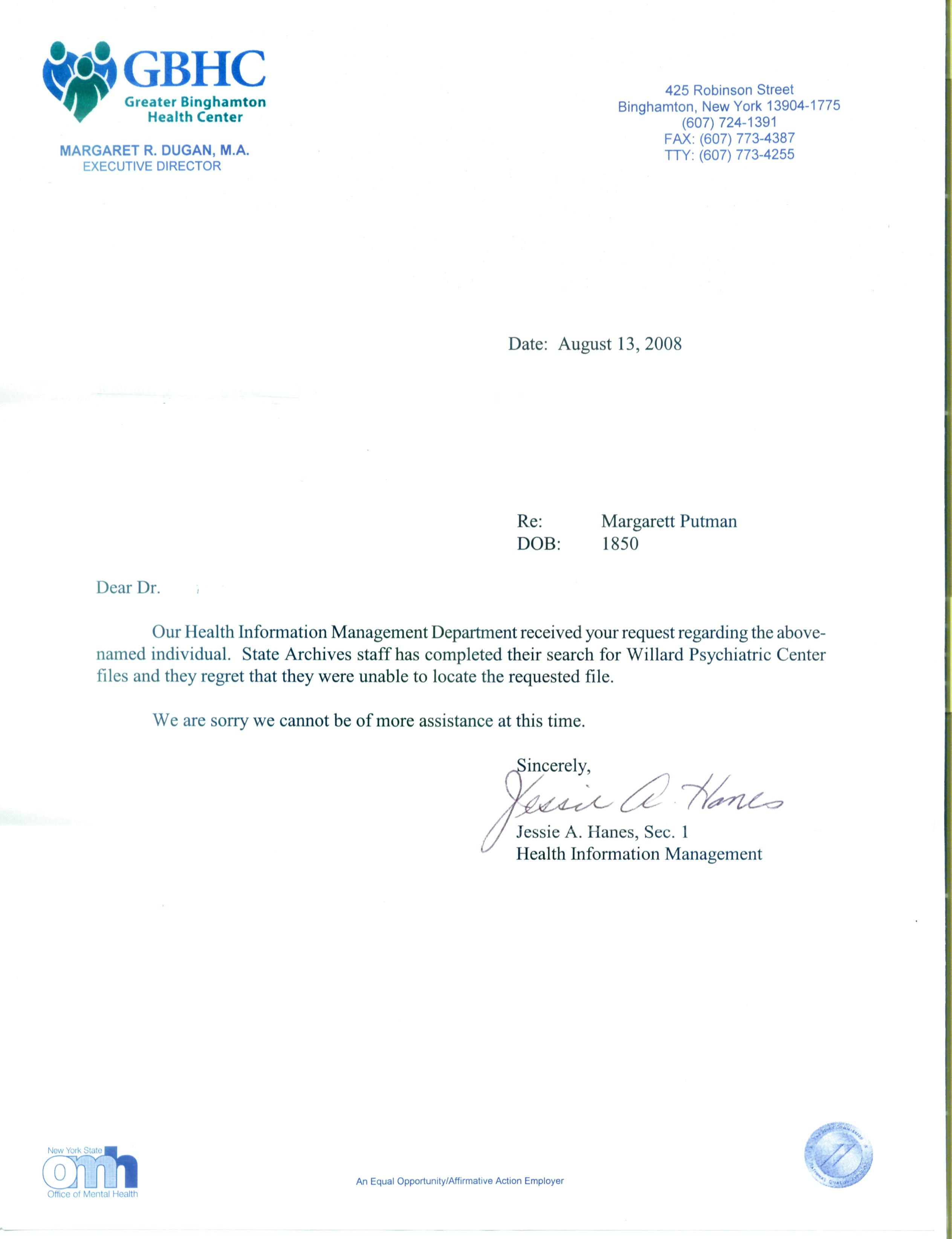
The following response letters, beginning in early 2008, are from everyone that I have contacted over the years. I have not included emails. Unless a modification is made to the present HIPAA Law and New York State Mental Hygiene Laws (See New HIPAA Update and S2514-2013), I and so many others like me, who want to know why our ancestor was committed to a state hospital, will never know the answer. My first response letter is dated April 16, 2008, in response to the original paperwork that my physician and I had sent in early September of 2007 (seven month wait). On August 13, 2008, I was denied a copy of my great-grandmother’s medical records and photographs from the Greater Binghamton Health Center. This three sentence response letter is the explanation given to me after waiting four months, taking the time and effort to speak with them on the phone, obtaining and filling out their required paper work with the help of my physician, and sending in the forms.

1- GBHC 04.16.2008

1- GBHC 04.16.2008

2 - GBHC 08.13.2008

2 – GBHC 08.13.2008

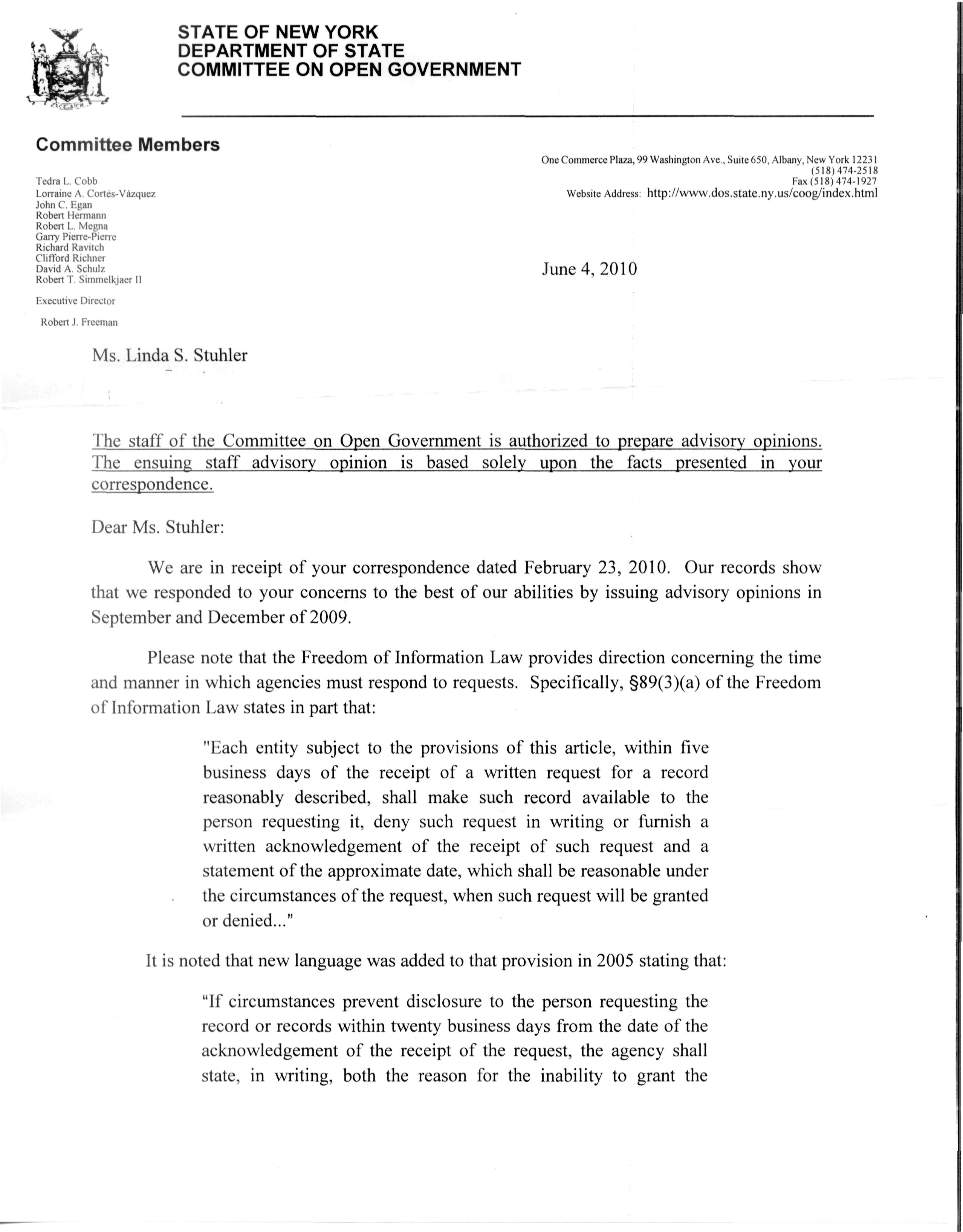
Besides writing a letter to former New York State Governor Patterson and present Governor Cuomo, both U.S. Senators from New York: Schumer and Gillibrand, State Senators, Congressmen, The Department of Correctional Services, The Commission on Quality of Care and Advocacy for Persons with Disabilities, The Office of Mental Health Counsel, and the State of New York Department of State Committee on Open Government (FOIL), I also wrote a letter to the doctor in charge of the Office of Mental Health Institutional Review Board asking permission to view, record, and publish the burial ledgers – names; dates of birth and death; and location of graves) located and stored at the NYS Archives. After waiting seven months for a response, I was told in an official letter, that my proposed study was not approved due to concerns about violating patient confidentiality. I was also told that I could take the New York State Office of Mental Health to court in order to get the names of former patients and the medical records of my great-grandmother, but seriously, who has the time and the money to go through all of that? Privacy ends at death but apparently patient confidentiality lasts forever.

I went through proper channels to obtain Maggie’s medical records and photographs. I filled out the paperwork, had my doctor and a witness sign the paperwork, and my doctor sent it in. I waited four months for a response and finally my doctor received a letter. I asked for the medical records and any photographs of my great-grandmother. When I received the response from the Greater Binghamton Health Center in August 2008, it stated the staff was unable to locate the requested file. Had I received my great-grandmother’s medical records, I would have been satisfied. Besides being genuinely interested in learning more about Willard, I created this blog for family genealogists like me, frustrated trying to find out if and when their ancestor was a Willard inmate, receiving the runaround obtaining their ancestor’s medical records and photos, and determining whether their ancestor is buried in the Willard Cemetery. The final answer came from the Commissioner of the NYS Office of Mental Health in responding to my inquiry by e-mail on October 25, 2010, which basically stated that publicly identifying former patients may be offensive to some families because of the stigma and repercussions that may follow, for example, in some small towns. I must say that I took offense to his statement because I live in a small town. What exactly was he trying to imply? It appears that we have not moved any further in our tolerance or understanding of people with problems and of people who live in small towns. I must say that my favorite letter is from the Commissioner, dated June 3, 2011, in which he reminds me “that the penalties for violations are very stiff – civil penalties under federal law can carry up to $10,000 per violation.”

Willard’s inmates who in life were incarcerated, forgotten, warehoused, and controlled by the state are once again controlled and intentionally forgotten in death by New York State, the New York State Office of Mental Health, or both. Perhaps they are interpreting the scope of the HIPAA Law incorrectly. The only logical assumption is the protection provided by these laws is not for long dead souls since U.S. Federal Censuses already reveal many of their names; it is for the protection of the descendants.

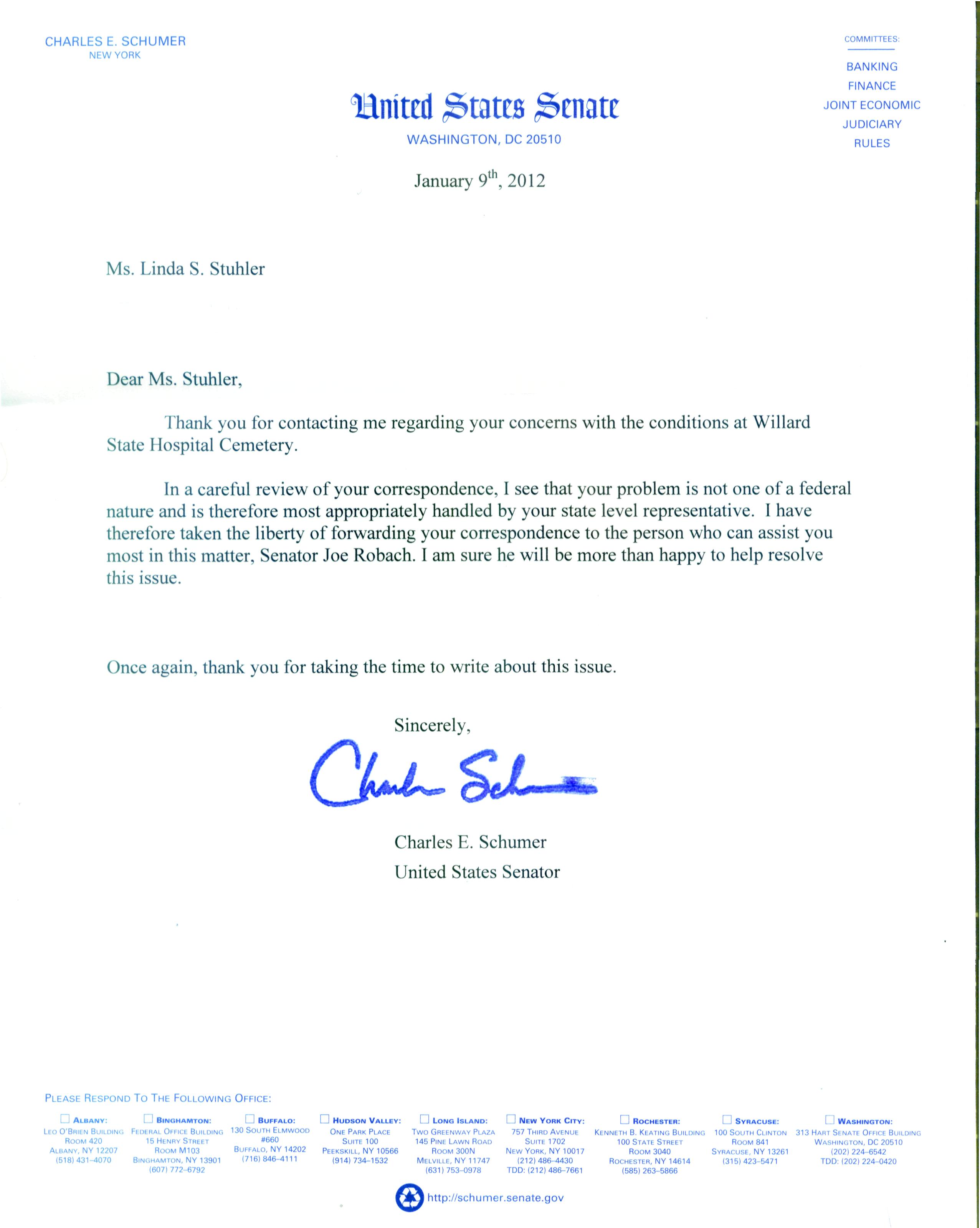
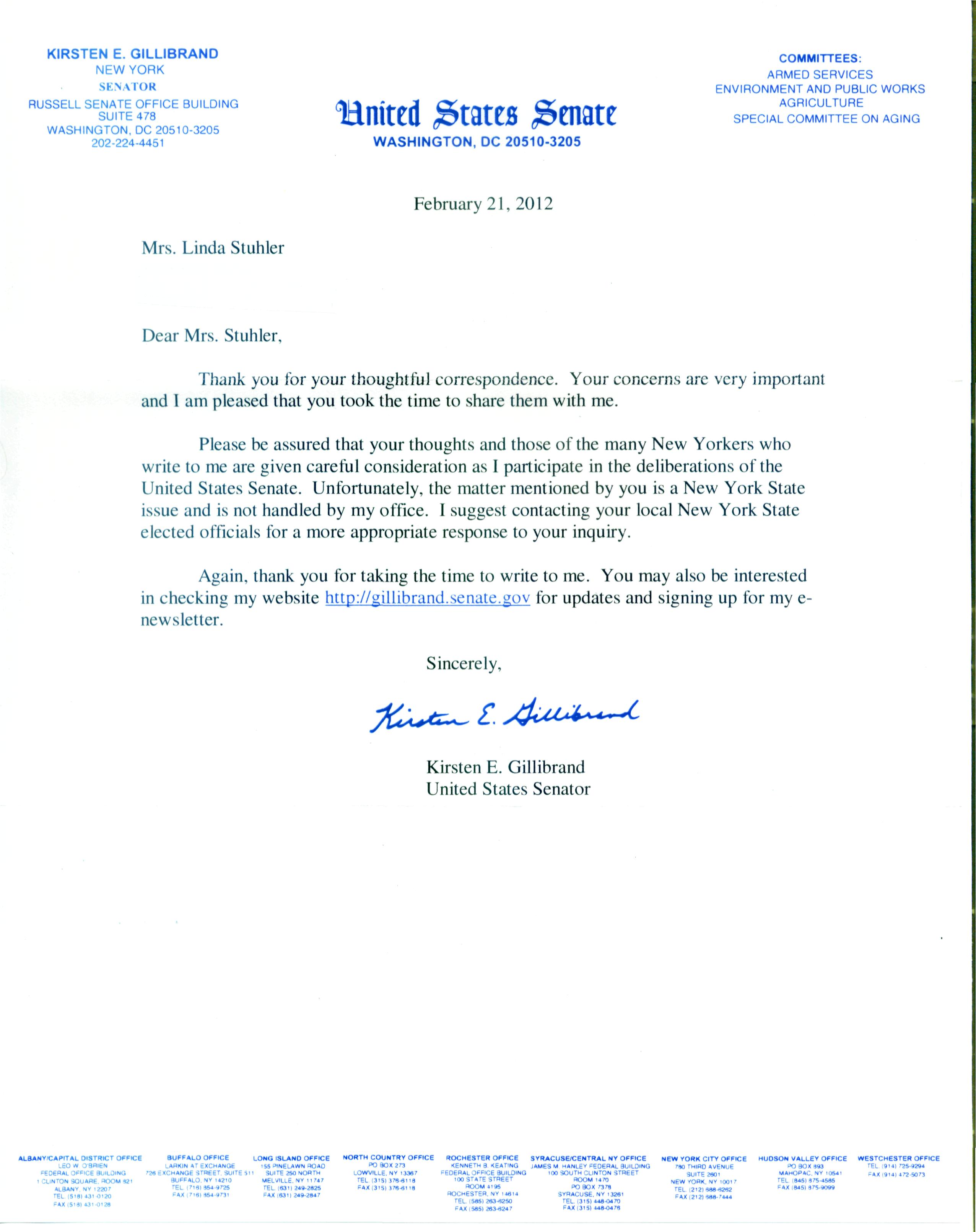
The responses from the Senators are interesting because they state that there is nothing they can do about the situation at Willard. They mention nothing about modifying the HIPAA Law which was one of the questions that I asked them to respond to. My understanding is that they are the only ones who can change or modify this federal law in order that descendants or anyone for that matter, would be allowed to have a copy of these historical medical records. When you’re dead, you’re dead. Who cares if someone looks at 80 year old medical records? The following letters were received by me from Senator Charles E. Schumer, dated January 9, 2012; and from Senator Kirsten E. Gillibrand, dated February 21, 2012. Perhaps this whole ridiculous situation of trying to uncover the identities and opening medical records of people who have been dead for one hundred years lies with the unique interpretation of the federal HIPAA Law by each individual state office of mental health.

Response Letter Senator Schumer 1.9.2012

Response Letter Senator Schumer 1.9.2012

Response Letter Senator Gillibrand 2.21.2012

Response Letter Senator Gillibrand 2.21.2012

14 - OMH 06.03.2011

14 – OMH 06.03.2011

13 - GBHC 09.07.2010

13 – GBHC 09.07.2010

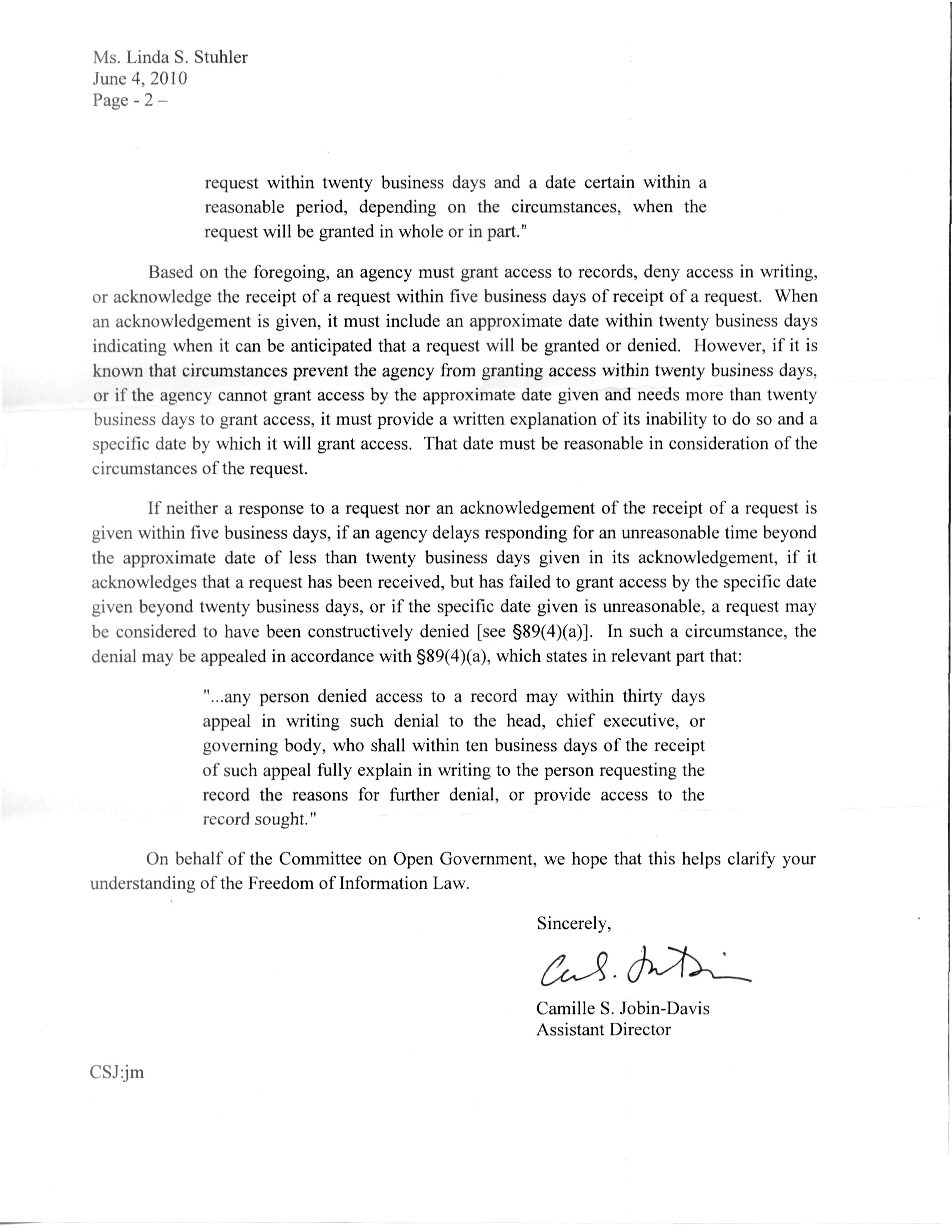
11 - FOIL 06.04.2010-1

11 – FOIL 06.04.2010-1

12 - FOIL 06.04.2010-2

12 – FOIL 06.04.2010-2

10 - Correctional Services 01.15.2010

10 – Correctional Services 01.15.2010

7 - FOIL 12.10.2009-1

7 – FOIL 12.10.2009-1

8 - FOIL 12.10.2009-2

8 – FOIL 12.10.2009-2

9 - FOIL 12.10.2009-3

9 – FOIL 12.10.2009-3

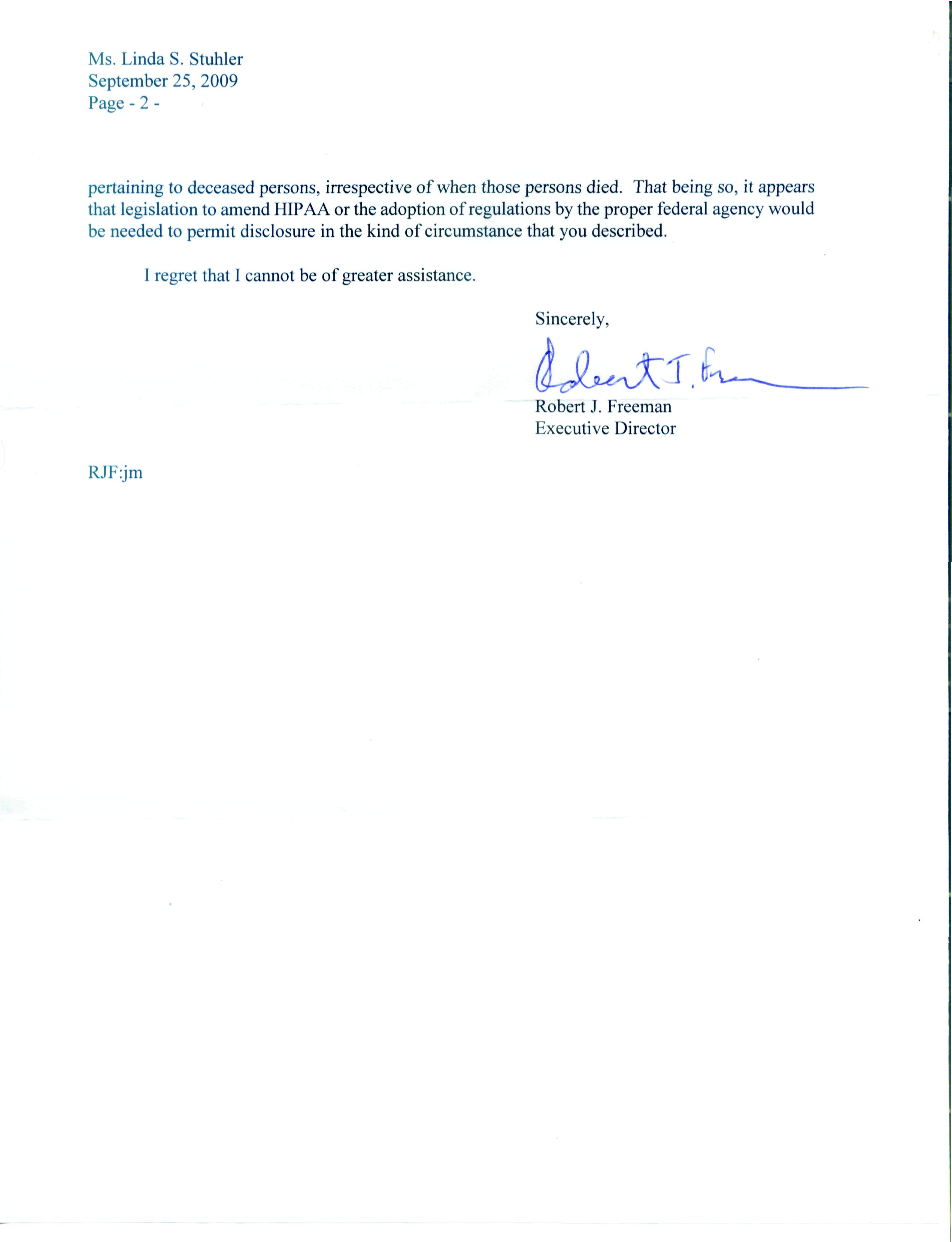
5 - FOIL 09.25.2009-1

5 – FOIL 09.25.2009-1

6 - FOIL 09.25.2009-2

6 – FOIL 09.25.2009-2

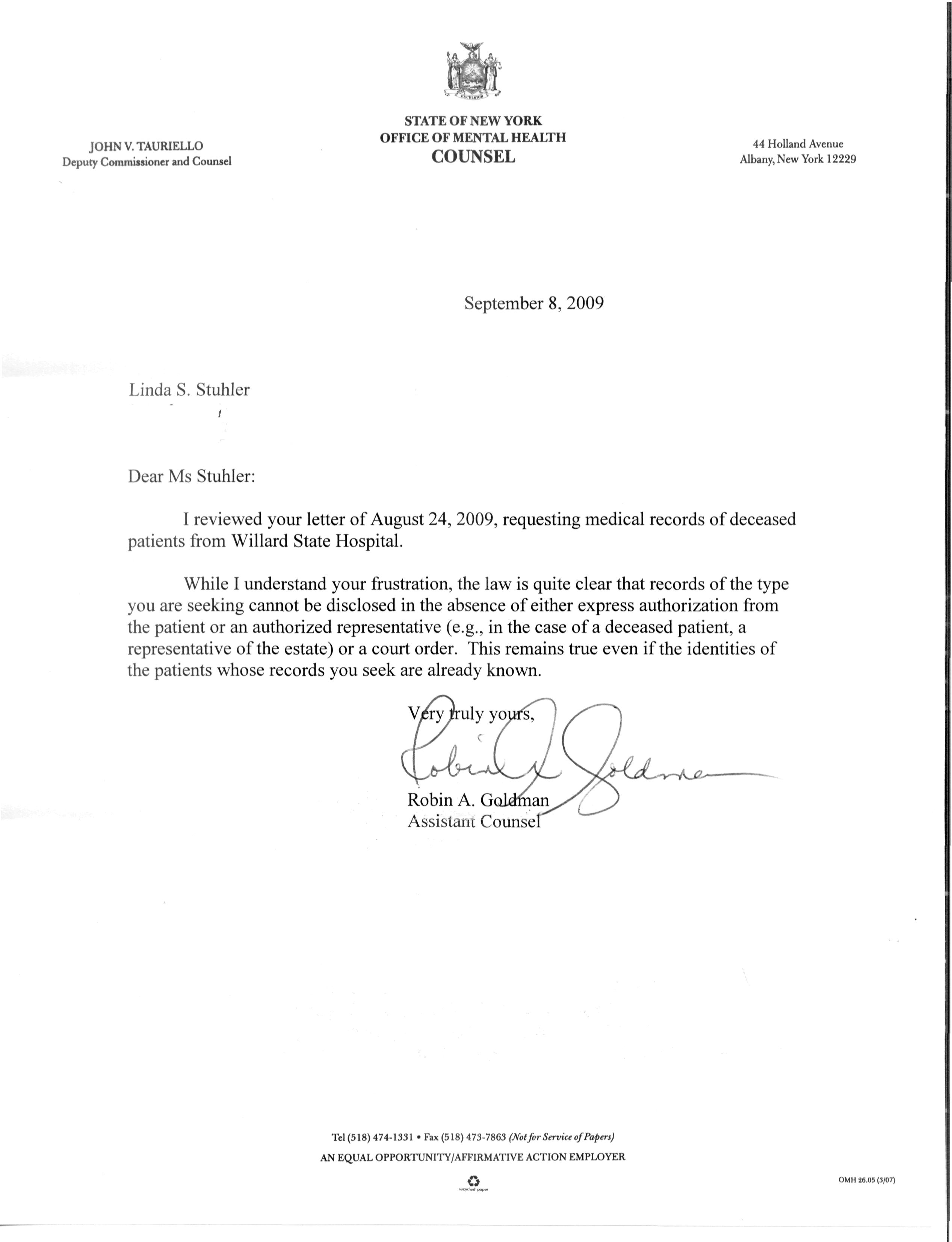
4 - OMH Counsel 09.08.2009

4 – OMH Counsel 09.08.2009

3 - Quality Care Advocacy 09.01.2009

3 – Quality Care Advocacy 09.01.2009

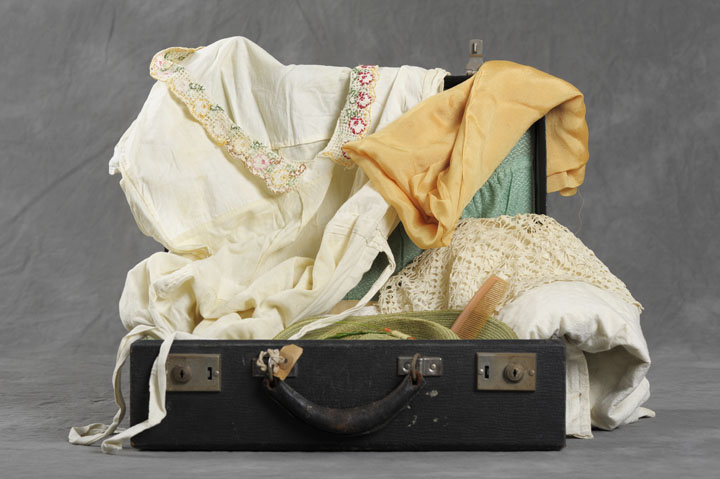
Willard Suitcases – Darby Penney – Photos by Jon Crispin

Jon Crispin Suitcase 2 - http://joncrispin.wordpress.com/

Jon Crispin Suitcase 2 – http://joncrispin.wordpress.com/

Like so many others who have discovered that an ancestor was an inmate at Willard, I read the book The Lives They Left Behind Suitcases From A State Hospital Attic by Darby Penney and Peter Stastny in order to learn what life was like living inside the asylum. I contacted Ms. Penney to ask if my great-grandmother’s suitcase was found in the attic. It wasn’t. The authors were given permission to research the medical records of twelve patients and were allowed to use patient photographs in the book using factitious names. Since I am a descendent of a patient, I assumed that I would be able to receive a copy of my great-grandmother’s medical records and photographs. I was wrong. I learned that I have no right to this information unless my primary care physician needs the health records to diagnose or treat a condition. This explanation was given to me in a letter by the Commissioner of the New York State Office of Mental Health. It makes no sense to me considering that my great-grandmother has been dead for eighty-four years. I wonder if a diagnosis that was made eighty-four years ago would even be relevant today. My point is this: I want to know what happened to my great-grandmother. I want to learn her diagnosis and read about her experiences in a state hospital.

Jon Crispin Suitcase 6 - http://joncrispin.wordpress.com/

Jon Crispin Suitcase 6 – http://joncrispin.wordpress.com/

Ms. Penney is a national leader in the human rights movement for people with psychiatric disabilities. In an email I asked her, “When did the state hospitals go bad?” Her reply was, “It never went bad. Western society’s methods of dealing with people in mental and emotional distress have always been based on punishment and segregation. Anyone who is locked up against their will and kept in isolation is being treated poorly, to my mind.” Ms. Penney and the NYS Archives have the list of the former suitcase owners. Even though it is not a medical record it cannot be released to the public because it would identify former patients. You may contact Ms. Penney to inquire about your ancestor’s suitcase at: community@capital.net. For more information visit The Lives They Left Behind Suitcases From A State Hospital Attic Website. 

Jon Crispin Suitcase 10 - http://joncrispin.wordpress.com/

Jon Crispin Suitcase 10 – http://joncrispin.wordpress.com/

Willard Asylum Cemetery (Veterans Names) Military Section, Seneca County, NY:
http://www.newyorkroots.org/ontario/cems/SenecaCo/Willardceme.htm

Jon Crispin Suitcase 13 - http://joncrispin.wordpress.com/

Jon Crispin Suitcase 13 – http://joncrispin.wordpress.com/

Jon Crispin’s Notebook – Willard Suitcases:
http://joncrispin.wordpress.com/2011/03/18/willard-asylum-suitcase/

http://joncrispin.wordpress.com/2011/07/24/willard-asylum-suitcase-2/
http://joncrispin.wordpress.com/2011/10/04/willard-suitcase-3/
http://joncrispin.wordpress.com/2011/10/07/willard-suitcase-4/
http://joncrispin.wordpress.com/2011/10/16/willard-suitcase-5/
http://joncrispin.wordpress.com/2011/10/23/willard-suitcase-6/
http://joncrispin.wordpress.com/2011/10/31/willard-suitcase-7/
http://joncrispin.wordpress.com/2011/11/11/willard-suitcase-8/
http://joncrispin.wordpress.com/2011/12/05/willard-suitcase-9/
http://joncrispin.wordpress.com/2011/12/27/willard-suitcase-10/
http://joncrispin.wordpress.com/2012/01/13/willard-suitcase-11/
http://joncrispin.wordpress.com/2012/02/06/willard-suitcase-12/
http://joncrispin.wordpress.com/2012/03/03/willard-suitcase-13/